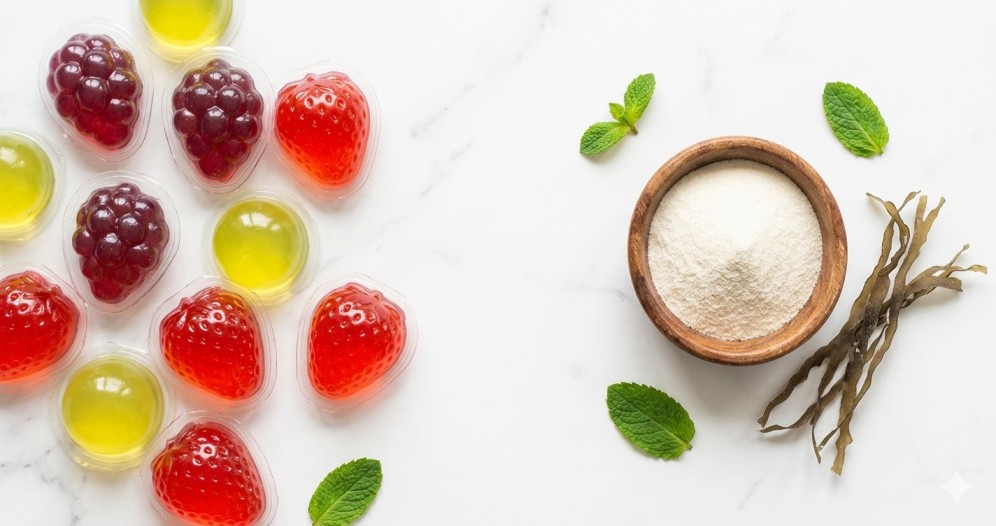
The short answer is no — most jelly fruits do not contain gelatin. Instead, they rely on plant-based gelling agents like agar-agar, pectin, or konjac to achieve their signature soft, juicy texture. This makes them naturally vegan-friendly and suitable for people avoiding animal products. However, not all jelly fruit brands follow the same formula, so checking ingredient labels remains essential if you’re strict about your diet.
Do jelly fruits have gelatin? It’s one of those questions that pops up constantly in vegan Facebook groups, Reddit threads, and TikTok comment sections. And honestly, I get why people are confused. Jelly fruits look squishy and translucent, just like traditional gummy candies. They come in bright colors, have that familiar wiggle, and are sold right next to gummy bears in most stores. So it’s completely reasonable to assume they share the same animal-derived ingredient that makes gummies chewy.
I remember standing in an Asian grocery store last year, holding a bag of those viral TikTok jelly fruits, and staring at the ingredient list for a solid two minutes. I had just switched to a mostly plant-based diet and was paranoid about hidden gelatin sneaking into my snacks. The packaging was mostly in another language, and I couldn’t immediately spot the word “gelatin” anywhere. That moment sent me down a rabbit hole of researching what actually goes into these trendy treats.
After digging through manufacturer websites, food science articles, and way too many ingredient label photos, I’ve got a clear answer — and it’s more interesting than a simple yes or no. In this guide, I’m breaking down exactly what’s inside jelly fruits, why they don’t need gelatin to hold their shape, how to spot the exceptions, and what this means for vegans, vegetarians, and anyone with dietary restrictions.
Table of Contents
- What Are Jelly Fruits?
- Do Jelly Fruits Have Gelatin? The Straight Answer
- What Gelling Agents Do Jelly Fruits Use Instead?
- Jelly Fruits vs Gummies: The Gelatin Difference
- How to Read Jelly Fruit Ingredient Labels
- Are All Jelly Fruit Brands Gelatin-Free?
- Why This Matters for Vegans and Vegetarians
- Common Myths About Jelly Fruits
- FAQs
- Final Thoughts
What Are Jelly Fruits?
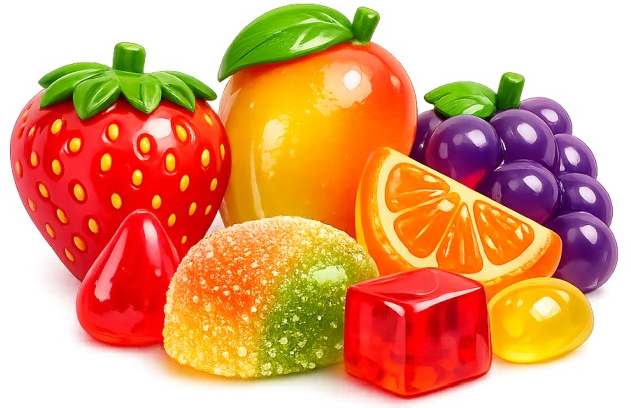
Before we dive into ingredients, let’s make sure we’re talking about the same thing. Jelly fruits are soft, fruit-shaped candies that originated in Asian confectionery traditions, particularly in Japan, South Korea, and Taiwan. They gained massive global popularity through TikTok trends where people would pop the entire fruit into their mouths and bite down, causing the soft interior to burst or squish satisfyingly.
Unlike gummy bears or worms, jelly fruits typically have a delicate outer membrane made from edible seaweed extract or rice paper. Inside, you’ll find a soft, gelatinous center that ranges from pudding-like to liquid-filled depending on the brand and variety. They’re often shaped like miniature grapes, strawberries, peaches, or mangoes, and come individually wrapped in clear plastic.
The texture is the first giveaway that something different is going on. Gummies are chewy, elastic, and resistant — you can stretch them, and they snap back. Jelly fruits are tender, fragile, and melt quickly in your mouth. That difference isn’t just about recipe variation; it points to fundamentally different structural ingredients.
Do Jelly Fruits Have Gelatin? The Straight Answer
Let’s get right to it: most jelly fruits do not contain gelatin.
The traditional recipes for these candies rely on plant-based alternatives that have been used in Asian cooking for centuries. Gelatin, which is derived from animal collagen (usually pork or beef), simply isn’t part of the standard formula. Instead, manufacturers use ingredients like agar-agar (a seaweed extract), pectin (a fiber found in fruit cell walls), or konjac (a root vegetable starch).
That said, “most” is an important qualifier. The global candy market is huge, and some Western manufacturers who’ve jumped on the jelly fruit trend may use gelatin in their versions to cut costs or achieve a specific texture. I’ve also seen hybrid products that blur the line between jelly fruits and gummies. So while the category as a whole is gelatin-free, individual products can vary.
If you’re buying authentic Asian brands like Frutti Fresh, DinDon, or Japanese import varieties, you’re almost certainly getting a gelatin-free product. If you’re buying a generic store-brand version in a regular American supermarket, it’s worth checking the label just to be safe.
What Gelling Agents Do Jelly Fruits Use Instead?
Understanding what replaces gelatin in jelly fruits helps explain why these candies have such a unique texture. Each plant-based gelling agent behaves differently, and some brands even combine multiple types.
Agar-Agar
This is probably the most common gelling agent in authentic jelly fruits. Agar comes from red algae and has been used in Japanese cooking (where it’s called kanten) for centuries. It creates a firm, slightly brittle gel that melts at a higher temperature than gelatin. In jelly fruits, agar gives that characteristic soft-but-structured body that holds its shape without being rubbery.
What’s fascinating about agar is that it sets at room temperature — you don’t need to refrigerate it to firm up, though chilling improves the texture. It’s also virtually calorie-free and high in fiber, which is why it’s popular in diet-conscious Asian desserts.
Pectin
Pectin is a natural fiber found in the cell walls of fruits, especially apples and citrus. It’s what makes jams and jellies spreadable rather than liquid. In jelly fruits, pectin creates a softer, more delicate gel than agar. Some brands use pectin specifically because it produces that pudding-like interior that bursts when you bite it.
Commercial pectin is extracted from fruit peels and processed into a powder. It’s 100% plant-based and widely used in vegan baking and candy making.
Konjac
Konjac powder comes from the root of the konjac plant, native to East Asia. It’s incredibly absorbent and can create gels with very little added material. In jelly fruits, konjac contributes to that juicy, almost liquid center in some varieties. It’s also the main ingredient in shirataki noodles and some vegan gelatin substitutes.
Konjac has a very neutral flavor, so it doesn’t interfere with the fruit taste. However, it can create a slightly slippery texture that some people find unusual at first.
Carrageenan
Less common but still used in some jelly fruit recipes, carrageenan is another seaweed-derived gelling agent. It creates an exceptionally smooth, creamy gel that’s popular in dairy alternatives and some premium candy lines.
Jelly Fruits vs Gummies: The Gelatin Difference
This is where the confusion really starts. People see two squishy, colorful candies and assume they’re basically the same thing with different shapes. But the ingredient difference creates completely different eating experiences.
Traditional Gummies:
- Gelling agent: Gelatin (animal-derived)
- Texture: Chewy, elastic, rubbery, long-lasting in the mouth
- Temperature sensitivity: Melt easily in heat, get very firm in cold
- Dietary status: Not vegan, not vegetarian (unless specifically labeled)
- Examples: Haribo gummy bears, Albanese gummies, Black Forest gummies
Jelly Fruits:
- Gelling agent: Agar, pectin, konjac, or carrageenan (plant-derived)
- Texture: Soft, tender, melts quickly, delicate outer membrane
- Temperature sensitivity: More stable across temperatures, don’t get rubbery when cold
- Dietary status: Naturally vegan and vegetarian
- Examples: Frutti Fresh, DinDon viral jelly fruits, Japanese fruit jellies
The texture difference alone usually tells you what you’re dealing with. If you can stretch it and it snaps back like a rubber band, that’s gelatin. If it breaks apart gently and dissolves on your tongue, that’s plant-based.
How to Read Jelly Fruit Ingredient Labels
Ingredient labels can be tricky, especially on imported products with partial translations. Here’s exactly what to look for when determining if a jelly fruit contains gelatin.
Red Flags (Contains Gelatin):
- “Gelatin” listed explicitly
- “Gelatine” (European spelling)
- “Hydrolyzed collagen”
- “Bovine/porcine collagen”
- “Animal-derived gelling agent”
Green Flags (Plant-Based):
- “Agar” or “agar-agar”
- “Pectin”
- “Konjac powder” or “konjac glucomannan”
- “Carrageenan”
- “Seaweed extract”
- “Vegetable gelling agent”
Ambiguous Terms to Investigate:
- “Starch” — usually plant-based but could be anything
- “Gelling agents” — without specification, check the brand’s website
- “Thickeners” — vague, contact manufacturer if unsure
Pro tip: If the packaging has a vegetarian or vegan certification symbol (like the V-Label or Certified Vegan logo), you can be confident there’s no gelatin. These certifications require strict ingredient verification.
Are All Jelly Fruit Brands Gelatin-Free?
Unfortunately, no. While the traditional category is gelatin-free, the modern market has some exceptions you should know about.
Brands That Are Typically Gelatin-Free:
- Most authentic Asian import brands
- Products specifically marketed as vegan
- Traditional Japanese mochi-style fruit jellies
- Korean “jelly pop” varieties
Brands That Might Contain Gelatin:
- Western mass-market copies of the jelly fruit trend
- Store-brand versions without clear ingredient transparency
- Some “gummy fruit” hybrids that combine both categories
- Products labeled simply as “fruit snacks” rather than “jelly fruits”
What to Do If You’re Unsure:
- Check the brand’s official website for ingredient statements
- Look for vegan/vegetarian certifications on packaging
- Contact the manufacturer directly via email or social media
- Search the specific product name plus “vegan” or “gelatin” on Reddit or vegan forums — someone has usually already asked
I’ve personally reached out to three different jelly fruit brands on Instagram, and two responded within 24 hours with detailed ingredient breakdowns. Most companies are happy to clarify, especially as vegan consumers represent a growing market segment.
Why This Matters for Vegans and Vegetarians
For people avoiding animal products, the gelatin question isn’t just about preference — it’s a ethical and dietary necessity. Gelatin is derived from the collagen in animal skin, bones, and connective tissues, usually from pigs or cows. It’s not vegetarian, and it’s certainly not vegan.
But the impact goes beyond personal diet choices. Many people avoid gelatin for religious reasons. Observant Muslims and Jews may avoid pork-derived gelatin specifically. Hindus and some Buddhists avoid all animal-derived ingredients. Knowing that jelly fruits are traditionally gelatin-free makes them accessible to a much wider range of dietary practices.
There’s also an environmental angle. Plant-based gelling agents generally have a lower carbon footprint than animal-derived gelatin, which requires livestock farming. For environmentally conscious consumers, choosing agar or pectin-based candies over gelatin ones is a small but meaningful choice.
And practically speaking, jelly fruits often have a cleaner ingredient profile overall. Because they’re marketed as slightly more “natural” or premium products, many brands use real fruit juice, natural colors, and fewer artificial additives than mass-market gummies.
Common Myths About Jelly Fruits
Let’s clear up some persistent misconceptions that keep circulating online.
Myth 1: “If it’s chewy, it must have gelatin.”
Not true. Agar and konjac can both create chewy textures without any animal products. The chewiness comes from the gel structure, not the specific ingredient source.
Myth 2: “The shiny coating means gelatin.”
The shiny outer layer on jelly fruits is usually a thin edible film made from seaweed extract or rice paper, not gelatin. It’s what allows the fruit to hold its shape and creates that satisfying bite-through moment.
Myth 3: “Imported Asian candies always have weird animal ingredients.”
This is a harmful stereotype. Many Asian confectionery traditions are actually more plant-based than Western ones, partly due to Buddhist and Hindu dietary influences in the region. Gelatin-heavy candy is more of a Western tradition.
Myth 4: “Jelly fruits are just gummies with a different name.”
They’re completely different product categories with different histories, ingredients, textures, and manufacturing processes. The only similarity is that they’re both sweet and colorful.
Myth 5: “You can’t tell the difference without reading the label.”
Actually, you usually can. Gelatin-based gummies have a distinctive rubbery resistance. Plant-based jelly fruits feel more delicate and dissolve faster. With a little practice, you can often identify the difference by touch and mouthfeel alone.
FAQs
Do jelly fruits have gelatin in them?
Most jelly fruits do not contain gelatin. They typically use plant-based gelling agents like agar-agar, pectin, or konjac instead. However, some Western-made versions may contain gelatin, so always check the ingredient label if you have dietary restrictions.
Are jelly fruits vegan?
Authentic jelly fruits made with traditional recipes are generally vegan, as they rely on seaweed or plant-based gelling agents. However, not all brands are created equal. Look for vegan certification symbols or verify ingredients if you’re strictly plant-based.
What is the outer skin of jelly fruits made of?
The thin, edible outer membrane on jelly fruits is typically made from sodium alginate (a seaweed extract) or rice paper. It’s completely plant-based, tasteless, and food-safe. It holds the soft interior together and creates that satisfying bite-through texture.
Can vegetarians eat jelly fruits?
Yes, most vegetarians can safely eat traditional jelly fruits since they don’t contain gelatin or other animal-derived ingredients. As always, checking the specific product’s ingredient list is the safest approach.
Why do jelly fruits taste different from gummy bears?
The difference in taste comes from both the gelling agents and the overall recipe. Jelly fruits often use real fruit juice and plant-based gelling agents that don’t add flavor, while gummies use gelatin (which has a slight animal-derived taste) and more artificial flavorings. The result is a fresher, more natural fruit taste in jelly fruits.
How can I be sure my jelly fruits don’t have gelatin?
Check the ingredient list for explicit gelatin mentions, look for vegan or vegetarian certification logos, research the brand’s ingredient policy online, or contact the manufacturer directly. Authentic Asian brands are your safest bet for gelatin-free options.
Final Thoughts
So, do jelly fruits have gelatin? For the vast majority of products on the market, the answer is a reassuring no. These popular treats achieve their signature soft, juicy texture through centuries-old plant-based gelling techniques rather than animal-derived ingredients. That makes them a fantastic option for vegans, vegetarians, and anyone looking to reduce their consumption of animal products without giving up fun, flavorful snacks.
That said, the candy industry is always evolving, and not every product labeled as a “jelly fruit” follows traditional recipes. A quick glance at the ingredient list — looking for agar, pectin, or konjac instead of gelatin — is all it takes to know what you’re getting.
If you’re new to jelly fruits, I’d recommend starting with established Asian import brands that have a long history of plant-based confectionery. Not only are you more likely to get an authentic, gelatin-free product, but you’ll also experience the candy as it was originally intended — delicate, fruity, and completely unique compared to anything in the Western candy aisle.
Whether you’re vegan, curious, or just love trying new snacks, jelly fruits offer something genuinely different. And now that you know what’s inside them, you can enjoy every squishy, colorful bite with complete confidence.