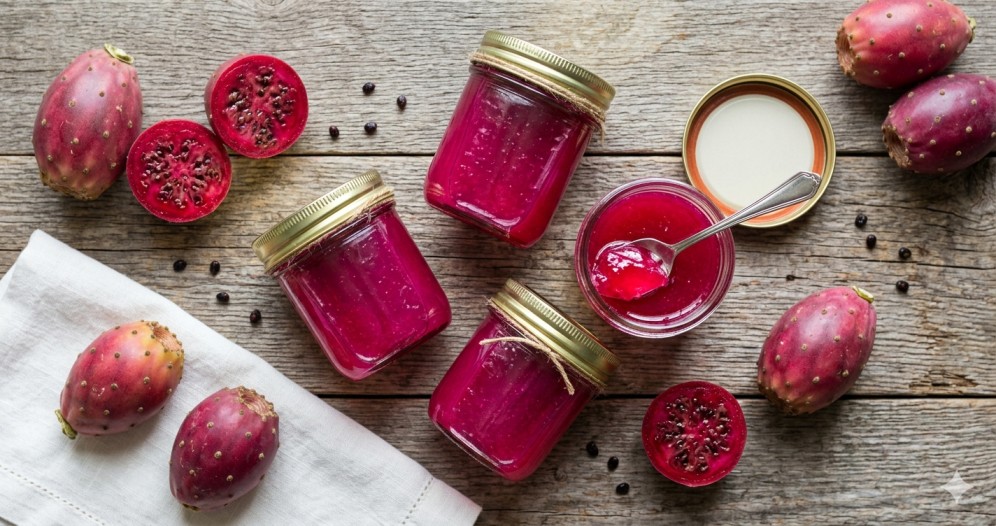
Cactus fruit jelly is a vibrant, sweet-tart preserve made from prickly pear cactus fruit, also known as tunas. The fruit yields a stunning magenta-colored jelly with a flavor somewhere between watermelon, bubblegum, and citrus. Making cactus fruit jelly at home involves carefully harvesting spine-free fruit, extracting the juice, straining out seeds, and combining it with sugar and pectin to create a firm, spreadable preserve. It’s a beloved Southwest tradition that turns an overlooked desert ingredient into a gourmet pantry staple.
Cactus fruit jelly — if you’ve never heard of it, you’re missing out on one of the most visually stunning and surprisingly delicious preserves you can make at home. The first time I watched a batch come together in my kitchen, I was genuinely shocked. The juice starts out a muddy reddish-brown, but as it cooks with sugar and lemon, it transforms into this brilliant fuchsia that looks almost too vivid to be natural. And the taste? Imagine if a watermelon and a grapefruit had a baby, then someone added a hint of bubblegum sweetness. It’s unlike anything you’ll find at a regular grocery store.
I grew up in Arizona where prickly pear cacti are as common as lawn grass in other states. As kids, we’d dare each other to eat the fruit straight from the cactus, which usually ended with someone getting fine spines in their fingers and a stained purple mouth. It wasn’t until years later, watching my grandmother turn those same wild fruits into jewel-toned jars of jelly, that I understood their real potential. Now, every late summer when the tunas ripen, I head out with gloves and tongs to gather enough for a year’s supply.
In this guide, I’m walking you through everything I’ve learned about making cactus fruit jelly — from safely harvesting the fruit to troubleshooting a batch that won’t set. Whether you live in the desert Southwest and have cacti growing in your backyard, or you’re just curious about exotic preserves you can order online, this article will give you the full picture.
Table of Contents
- What Is Cactus Fruit?
- Where to Find Prickly Pear Fruit
- How to Safely Harvest and Prepare Cactus Fruit
- Ingredients You’ll Need
- Step-by-Step: How to Make Cactus Fruit Jelly
- Understanding Pectin and Gelling
- Flavor Variations and Recipe Twists
- How to Can and Store Your Jelly
- Common Problems and Solutions
- FAQs
- Final Thoughts
What Is Cactus Fruit?
Cactus fruit, commonly called prickly pear or tuna in Spanish, comes from the Opuntia genus of cacti — those flat-padded cacti you see dotting landscapes across the American Southwest, Mexico, and parts of the Mediterranean. The fruit itself grows along the edges of the cactus pads, starting as a small green bump and ripening into a plump, egg-shaped orb that ranges from deep purple to bright red to golden yellow depending on the variety.
Inside, the fruit is packed with hard, peppercorn-sized seeds surrounded by juicy, richly colored flesh. The seeds are completely edible but quite hard, which is why most jelly recipes strain them out. The juice is where the magic lives — it’s intensely flavored, naturally sweet, and carries a subtle tartness that makes it perfect for preserves.
Nutritionally, prickly pear fruit is a hidden superfood. It’s high in vitamin C, magnesium, and antioxidants, particularly betalains, which give the fruit its vivid color and have been studied for their anti-inflammatory properties. Some people even drink prickly pear juice to help with hangovers or blood sugar management, though the research on those claims is still developing.
What makes cactus fruit jelly special compared to other fruit preserves is that unmistakable color and flavor profile. Strawberry jelly is familiar. Grape jelly is nostalgic. But prickly pear jelly? That’s a conversation starter. Spread it on toast, and people will ask where you found something so unusual and beautiful.
Where to Find Prickly Pear Fruit
If you live in the Southwest — Arizona, New Mexico, Southern California, West Texas — prickly pear fruit is probably growing within a few miles of your house. It thrives in dry, sunny climates and is so hardy that some people consider it a weed. The fruit ripens in late summer, typically August through early October, depending on elevation and rainfall.
Foragers and home cooks have a few options:
Wild Harvesting: Look for cacti on public lands, friends’ properties (always ask permission), or along rural roadsides. Choose fruit that’s deep in color, slightly soft to the touch, and easily detaches from the pad. Avoid any with wrinkled skin or dark spots.
Farmers Markets: Many Southwest farmers markets sell prickly pear fruit in season, sometimes already de-spined. This saves you the most tedious part of the process.
Online Retailers: If you don’t live in cactus country, several specialty food sites sell prickly pear juice, concentrate, or even whole frozen fruit. Search for “prickly pear juice for jelly” or “cactus fruit puree.”
Latin Grocery Stores: Stores catering to Mexican or Southwest communities often stock fresh tunas or prickly pear products, especially in late summer.
One thing to know: there are many varieties of prickly pear, and they don’t all taste the same. The deep purple-red fruits tend to be the sweetest and most flavorful for jelly. The lighter green or yellow varieties can be more acidic and require additional sugar.
How to Safely Harvest and Prepare Cactus Fruit
Here’s where things get tricky. Prickly pear fruit has two types of spines: the obvious large ones and the nearly invisible glochids — tiny hair-like barbs that will embed in your skin and itch for days. Proper handling is non-negotiable.
What You’ll Need for Harvesting:
- Thick leather gloves or gardening gloves
- Long-handled tongs
- A bucket or sturdy bag
- A vegetable brush
- Running water
The Process:
First, use tongs to twist the fruit off the cactus pad. Ripe fruit should detach easily. Collect about 3-4 pounds for a standard batch of jelly, which yields roughly 4-6 half-pint jars.
Once home, the real work begins. Hold each fruit under running water and scrub vigorously with a vegetable brush to remove all glochids. Some people burn them off over a gas flame, but I’ve found thorough scrubbing plus a final rinse works fine and avoids cooking the fruit prematurely.
After cleaning, slice each fruit in half lengthwise. The interior will be packed with seeds surrounded by juicy pulp. You have two options here: scoop the flesh out and blend it, or simply chop the halves and simmer them whole to extract juice. I prefer the simmer method because it’s less messy and the seeds stay contained.
Ingredients You’ll Need
The ingredient list for basic cactus fruit jelly is refreshingly short. The fruit itself does most of the heavy lifting in terms of flavor and color.
For a Standard Batch (4-6 half-pint jars):
- 3-4 pounds fresh prickly pear fruit (yields about 3 cups juice)
- 3 cups granulated sugar
- 1/4 cup lemon juice (freshly squeezed, bottled works too)
- 1 box (1.75 oz) powdered fruit pectin
- 1/2 teaspoon butter or margarine (optional, reduces foaming)
Why lemon juice? Prickly pear fruit is naturally low in acidity, and jelly needs a certain acid level both for safe canning and proper pectin activation. The lemon juice brightens the flavor too, adding a citrus note that balances the sweetness beautifully.
About sugar: Traditional jelly recipes use a lot of sugar because it works with pectin to create the gel structure. You can find low-sugar pectin varieties if you prefer less sweetness, but don’t simply cut sugar from a regular recipe — the chemistry won’t work, and you’ll end up with syrup instead of jelly.
Step-by-Step: How to Make Cactus Fruit Jelly
This is the method I use every season, refined over years of trial and error. Follow it closely for your first batch, then adjust to your taste.
Step 1: Extract the Juice
Place your cleaned, halved prickly pear fruit in a large pot with just enough water to cover the bottom (about 1/2 cup). Simmer over medium heat for 15-20 minutes, mashing occasionally with a potato masher. The fruit will soften and release its vibrant juice.
Pour the mixture through a fine-mesh strainer lined with cheesecloth or a clean kitchen towel. Let it drip for at least 30 minutes — don’t squeeze the bag aggressively or you’ll force pulp through, resulting in cloudy jelly. You want about 3 cups of clear, strained juice.
Step 2: Prep Your Jars and Lids
Sterilize your canning jars by boiling them for 10 minutes or running them through a dishwasher sanitize cycle. Keep them warm until ready to fill. Warm jars prevent thermal shock when hot jelly is added.
Step 3: Cook the Jelly
In a large, heavy-bottomed pot, combine the prickly pear juice, lemon juice, and powdered pectin. Whisk thoroughly until the pectin dissolves completely — undissolved pectin causes lumpy jelly.
Bring the mixture to a full rolling boil over high heat, stirring constantly. A rolling boil is one that doesn’t stop bubbling when stirred. This usually takes 5-8 minutes.
Step 4: Add Sugar
Once at a rolling boil, dump in all the sugar at once. Yes, all of it — this isn’t a gradual process. Stir continuously and return to a rolling boil. Boil hard for exactly 1 minute, then remove from heat.
If you’re using butter to reduce foaming, add it with the sugar. The foam will dissipate as you boil.
Step 5: Fill and Process
Ladle the hot jelly into warm, sterilized jars, leaving 1/4 inch headspace. Wipe the rims clean, apply lids and rings fingertip-tight, and process in a boiling water bath for 10 minutes (adjust for altitude if you live above 1,000 feet).
Remove jars and let them cool undisturbed for 24 hours. You should hear the satisfying “pop” of lids sealing within the first hour.
Understanding Pectin and Gelling
The science behind jelly setting is actually pretty fascinating. Pectin is a naturally occurring fiber found in fruit cell walls. When combined with sugar and acid under heat, it forms a gel network that traps liquid, creating that characteristic firm-yet-spreadable texture.
Prickly pear fruit is naturally low in pectin, which is why commercial powdered pectin is necessary for reliable results. Without it, you’d need to cook the juice with sugar for hours, resulting in a dark, caramelized flavor that’s not particularly pleasant.
Signs your jelly will set properly:
- The mixture sheets off a spoon rather than dripping (the “sheet test”)
- It reaches 220°F on a candy thermometer (8°F above boiling water at sea level)
- A small amount placed on a chilled plate wrinkles when pushed with a finger after cooling for a minute
If your jelly doesn’t pass these tests, you can re-cook it. Add another 1/4 box of pectin dissolved in 1/4 cup warm juice, return to a boil for 1 minute, and reprocess.
Flavor Variations and Recipe Twists
Once you’ve mastered the basic cactus fruit jelly, the fun really begins. Here are some of my favorite variations:
Prickly Pear-Lime Jelly: Replace half the lemon juice with fresh lime juice. The result is brighter, more tropical, and pairs incredibly well with fish or grilled meats.
Spiced Cactus Jelly: Add a cinnamon stick and two whole cloves to the juice during simmering. Remove before adding pectin. The warm spice notes complement the fruit’s natural sweetness beautifully.
Cactus-Habanero Jelly: For the adventurous, add one finely minced habanero pepper (seeds removed) to the juice before cooking. The heat is surprisingly harmonious with the sweet fruit base. Amazing on cream cheese with crackers.
Herbal Infusion: Steep fresh rosemary or thyme in the hot juice for 20 minutes before straining and proceeding. The herbal notes elevate this from breakfast spread to gourmet condiment.
Reduced-Sugar Version: Use a low-sugar or no-sugar-needed pectin (like Ball RealFruit Low or No-Sugar Needed Pectin) and cut sugar to 1 cup. The texture will be softer, more like a thick preserves, but the flavor is more intensely fruity.
How to Can and Store Your Jelly
Proper canning isn’t just about longevity — it’s about safety. Jelly is acidic enough to be relatively safe from botulism, but mold and yeast can still ruin your hard work.
Water Bath Canning Basics:
- Use clean, undamaged jars with new lids (reusing lids risks seal failure)
- Process for 10 minutes at sea level, adding 1 minute per 1,000 feet of elevation
- Let jars cool completely before checking seals
- Label with date and flavor
Storage Guidelines:
- Properly sealed jars: 12-18 months in a cool, dark pantry
- Opened jars: 3 weeks in the refrigerator
- Unsealed or questionable jars: Refrigerate immediately and use within 2 weeks
Signs of Spoilage:
- Mold on the surface (any color — white, green, black)
- Fermented smell (alcoholic or yeasty)
- Leaking or bulging lid
- Discoloration beyond the natural fading of color over time
When in doubt, throw it out. A jar of jelly isn’t worth food poisoning.
Common Problems and Solutions
Even experienced jelly makers hit snags. Here’s how to fix the most frequent issues:
Jelly Didn’t Set (Too Runny):
You probably undercooked it or had incorrect proportions. Reprocess with additional pectin, or simply call it “cactus fruit syrup” and use it over pancakes or ice cream.
Jelly Is Too Firm (Rubbery):
Overcooked or too much pectin. Next time, boil for exactly 1 minute after adding sugar. For the current batch, gently reheat with a splash of water to loosen.
Cloudy Jelly:
Pulp got through your strainer, or you squeezed the juice bag too hard. It’s still edible — just not as pretty. Use finer cheesecloth next time.
Foam on Top:
Completely normal and harmless. Skim it off before filling jars, or add a tiny bit of butter during cooking to prevent it.
Color Faded:
Natural pigments break down over time and with heat exposure. Store jars in a dark place and use within a year for best color. Adding a splash of commercial prickly pear juice (which often has stabilizers) can help maintain vibrancy.
FAQs
What does cactus fruit jelly taste like?
Cactus fruit jelly has a unique flavor profile that’s sweet and mildly tart, with notes reminiscent of watermelon, bubblegum, and citrus. It’s less acidic than cranberry jelly but more interesting than standard grape or strawberry. The exact taste varies by prickly pear variety and ripeness.
Can I make cactus fruit jelly without pectin?
Technically yes, but it’s unreliable and requires significantly more sugar and cooking time. Prickly pear fruit is naturally low in pectin, so commercial powdered pectin is strongly recommended for consistent, safe results. Without it, you risk ending up with syrup rather than jelly.
Is prickly pear cactus fruit safe to eat raw?
Yes, once the spines and glochids are completely removed. The flesh and seeds are edible, though the seeds are quite hard. Many people eat them fresh, blend them into smoothies, or use them in salads. Just never handle the raw fruit with bare hands — those invisible glochids are miserable.
How long does homemade cactus fruit jelly last?
Properly canned and sealed cactus fruit jelly lasts 12-18 months in a cool, dark pantry. Once opened, refrigerate and use within 3 weeks. Always check for signs of spoilage (mold, off smell, leaking lid) before consuming, regardless of age.
Where can I buy prickly pear fruit if I don’t live in the Southwest?
You can order fresh prickly pear fruit, frozen pulp, or bottled juice from specialty food retailers online. Look for sellers based in Arizona, New Mexico, or California. Some Latin grocery stores also stock fresh tunas seasonally. For jelly making, bottled 100% prickly pear juice works well as a substitute.
Can I use cactus fruit jelly for things other than toast?
Absolutely. It’s excellent as a glaze for grilled pork or chicken, swirled into yogurt, paired with cheese boards (especially soft goat cheese), used as a filling for thumbprint cookies, or mixed into salad dressings. Its striking color makes it a favorite for creative cocktails too.
Final Thoughts
Making cactus fruit jelly at home is one of those rewarding kitchen projects that connects you to a place and a tradition. Every time I open a jar from my pantry, I’m reminded of hot August mornings harvesting tunas with my grandmother, the smell of desert rain on creosote, and the satisfaction of turning something wild into something beautiful and delicious.
If you’ve never tried it, I genuinely encourage you to seek out some prickly pear fruit or juice and give it a shot. The process is straightforward, the results are stunning, and you’ll have a pantry staple that impresses everyone who sees it. There’s something deeply satisfying about making preserves from an ingredient most people walk right past without a second glance.
Start with the basic recipe, get comfortable with the process, then start experimenting with flavors and applications. Before long, you’ll be the person friends call when they spot a loaded prickly pear cactus and wonder what to do with it.
Happy jelly making — and enjoy every magenta-hued, sweet-tart spoonful.