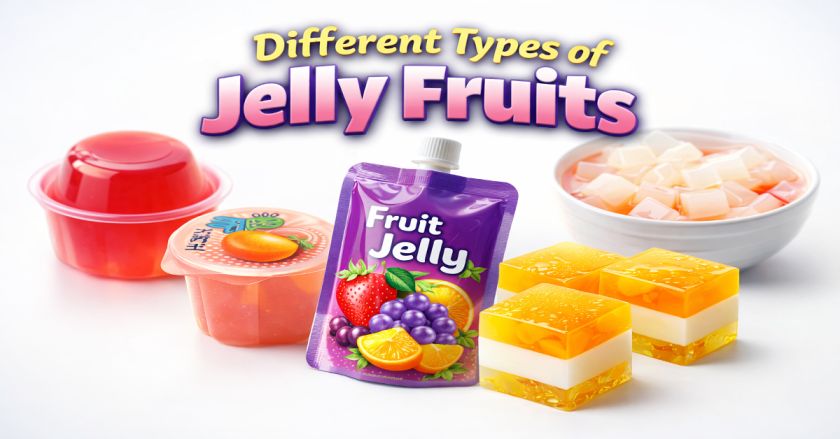
Hey! So, picture this: I’m standing in the Asian grocery store down the street, staring at a wall of colorful packets that all say “Jelly Fruit” but look completely different from one another. One looks like a juice box, another looks like a tiny cup of jiggly cement, and there’s something that appears to be coconut cubes floating in syrup.
I grabbed about six different types, went home, and basically had a jelly fruit tasting party by myself (yes, I’m that person). And you know what? I realized that calling everything “jelly fruit” is like calling everything that comes in a can “soup.” Sure, technically, but you’re talking about tomato bisque versus canned beans here.
So let me break down the different types of jelly fruits for you—the ones that are basically dessert, the ones that are health food in disguise, the ones that can actually be dangerous if you’re not careful, and the ones that taste like childhood memories. By the end of this, you’ll know exactly what you’re grabbing off that shelf instead of just going by whatever has the prettiest picture on the front.
The Classic Gelatin Cup: Grandma’s Kitchen in Plastic
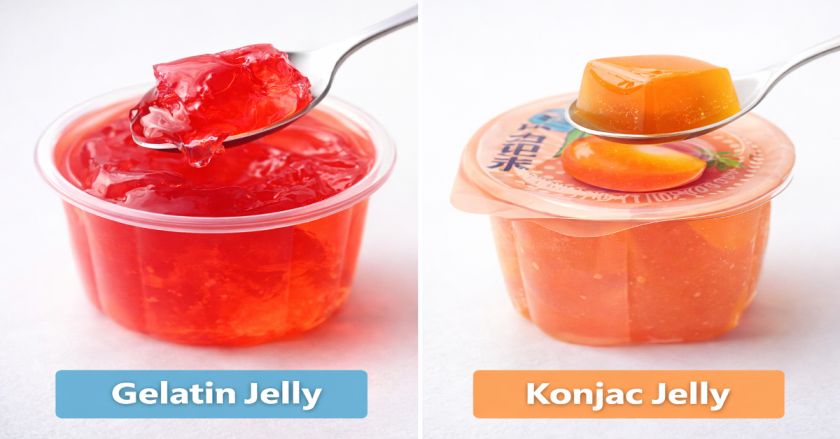
Let’s start with the OG—the stuff you probably ate at birthday parties when you were eight. These are the wiggly, jiggly cups that come in cherry red, lime green, and that weird electric blue that doesn’t exist in nature.
What they actually are:
These are made from gelatin, which is basically collagen boiled down from animal bones and connective tissues (I know, gross, but also kind of cool when you think about it). When you mix gelatin powder with hot water and sugar, then cool it down, it creates this protein network that traps water—hence the jiggle.
The taste test:
I bought a pack of the classic brand-name ones and a generic store brand. Honestly? The brand-name ones have a smoother texture—like they’re dancing on your tongue. The generic ones feel slightly grainy, like they didn’t dissolve the sugar completely. Both taste like “red” and “green” rather than actual strawberry or lime, but that’s part of the nostalgia.
Who should eat these:
Anyone without dietary restrictions. They’re not vegetarian (sorry, gelatin comes from pigs or cows), but they’re low in fat and can be soothing if you’re recovering from stomach issues. My go-to when I had my wisdom teeth out? These cups, because they’re soft but more interesting than applesauce.
The catch:
They’re basically sugar water held together by animal protein. One cup has about 80 calories and 18 grams of sugar. That’s like eating four and a half teaspoons of sugar in one go. Plus, the artificial dyes in the bright red ones (Red 40) make some kids bounce off the walls. I learned this when I babysat my nephew after he ate three red cups—he talked for three hours straight without breathing.
Konjac Jelly: The Bouncy Ball You Can Eat (But Maybe Shouldn’t)
Okay, now we’re getting to the stuff that confused me the most. I picked up these little cups labeled “Konnyaku Jelly” with Japanese writing and cute peach illustrations. They felt… wrong. Too firm. When I poked one, it didn’t wiggle—it bounced back like a stress ball.
What they actually are:
These are made from the root of the konjac plant (also called elephant yam), which grows in Asia. The root is ground into flour called glucomannan, which is basically super-fiber that can absorb 50 times its weight in water. When you set it with calcium hydroxide, you get this rubbery, chewy texture that’s popular in Japan and Korea.
The taste test:
I bit into one and immediately understood why people either love or hate these. It’s chewy. Not “gummy bear” chewy—more like “I hope I don’t choke” chewy. The flavor is subtle, usually fruity but not overwhelming. The texture is satisfying if you like things you can gnaw on, but weird if you’re expecting something that melts in your mouth.
The serious safety warning I need to give you:
These are the ones that kill people. I’m not being dramatic—the FDA has actual warnings about mini konjac jelly cups because they don’t dissolve in your mouth. They’re exactly the size of a child’s trachea, and they’re so firm that if one gets lodged in your throat, you can’t cough it up. There have been deaths, mostly in children under five, but also in elderly people.
I cut one open to see what would happen if I soaked it in water. It sat in a bowl for three hours and didn’t break down at all. That’s the problem—your saliva can’t dissolve it quickly enough if it goes down the wrong pipe.
If you’re an adult and you chew thoroughly, they’re probably fine, though they can cause digestive blockage if you don’t drink enough water (that fiber expands in your gut). But honestly? After learning what I learned, I threw the rest of the pack away. It’s not worth the risk for a snack.
Pectin-Based Squeeze Pouches: The “Healthy” Imposters
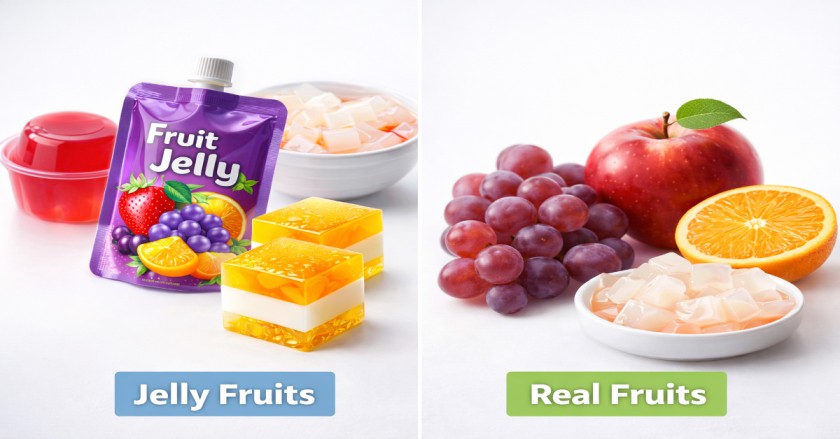
Walk into any organic grocery store or kids’ snack aisle, and you’ll see these—squeeze pouches with pictures of fresh strawberries and claims like “Made with Real Fruit!” and “No High Fructose Corn Syrup!” They look like baby food but taste like dessert.
What they actually are:
Instead of gelatin or konjac, these use pectin—a fiber found naturally in fruit skins that acts as a gelling agent. When you cook fruit with sugar and pectin, you get jam. When you use less sugar and more water, you get these squeezable jellies. They’re often mixed with fruit purees, sometimes actual juice concentrates.
The taste test:
I tried three different brands—one expensive organic one, one mid-range, and one from the dollar store. The expensive one actually tasted like mashed strawberries. You could see the seeds. The texture was smooth, almost applesauce-like but thicker. The cheap one tasted like strawberry candy—sweet, but fake. The mid-range was somewhere in between.
Here’s what the marketing doesn’t tell you:
Yes, they contain fruit, but they also contain a lot of sugar—sometimes almost as much as the classic gelatin cups. The “no artificial colors” claim is true (they use beet juice or turmeric), but “healthy” is a stretch. It’s still basically sugar delivery with some vitamins sprinkled in.
I gave some to my friend’s toddler (with permission) and watched him squeeze it all over his shirt within 30 seconds. That’s another thing—these are messy. But kids love them because they feel like they’re eating candy, and parents feel less guilty than if they were handing over chocolate.
Who these are actually good for:
Young kids who refuse to eat fruit (though real fruit is better), hikers who want quick energy without choking hazards, and anyone who needs soft foods after dental work. They’re vegetarian and vegan-friendly since pectin comes from plants.
Agar-Agar Jellies: The Ocean’s Gift to Vegetarians
If you’re vegan or vegetarian, you’ve probably eaten agar without knowing it. It’s the plant-based answer to gelatin, and it’s been used in Asian desserts for centuries.
What they actually are:
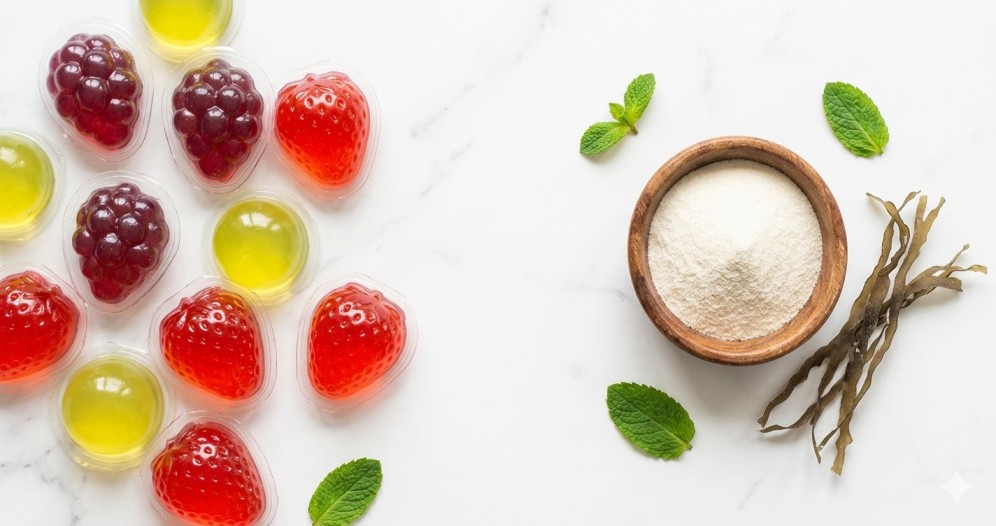
Agar comes from red algae (seaweed). You boil it up, and it sets even firmer than gelatin, but with a more brittle texture. It melts at a higher temperature too, so it doesn’t turn into liquid in your mouth as quickly as gelatin does.
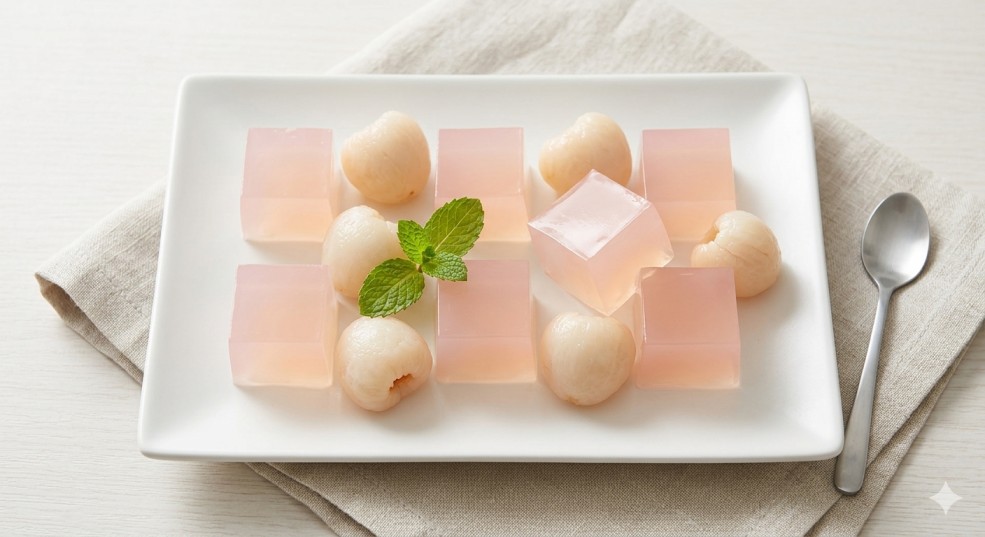
I first tried agar jellies at a Malaysian restaurant—they served these little cubes of coconut milk agar with palm sugar syrup. The texture was fascinating. It looked like gelatin, but when you bit it, it snapped cleanly instead of stretching. It felt more “solid,” if that makes sense.
The taste test:
I bought some premade agar fruit jellies from a Filipino grocery store. They were layered—coconut on the bottom, mango on top. The coconut layer was creamy but firm, the mango layer was translucent and jewel-like. The texture is less… jiggly? More like firm Jell-O that’s been sitting in the fridge for three days.
The health angle:
Agar is basically pure fiber. It has zero calories, zero carbs, and can help with constipation (sometimes too well, if you catch my drift). In Japan, they call it “kanten” and sell it as a diet food because it fills you up with bulk but passes right through you.
However, eating too much pure agar jelly can actually be dangerous—it can expand in your esophagus or intestines and cause blockages, especially if you don’t chew well or drink water. It’s rare, but it happens. I made the mistake of eating four big pieces on an empty stomach and spent the afternoon feeling like I’d swallowed a sponge.
Nata de Coco: The Chewy Coconut Cubes
These look like translucent white cubes floating in colored syrup or fruit juice. I first saw them in bubble tea, then started noticing them in cups labeled “Fruit Jelly Dessert” at Asian markets.
What they actually are:
This is actually fermented coconut water. Bacteria called Acetobacter xylinum turn coconut water into this cellulose-rich, chewy mass. It’s basically the same process that makes kombucha SCOBYs, but instead of a gross-looking pancake, you get these sweet, crunchy-chewy cubes.
The taste test:
Texture is everything here. They squeak when you bite them. It’s like eating a cross between a grape and a rubber band, but in a good way. They absorb the flavor of whatever syrup they’re in—usually lychee, mango, or passionfruit. They’re incredibly refreshing when cold, like coconut water you can chew.
Nutritionally speaking:
They’re low in calories (about 20 calories per 100 grams), high in fiber, and contain some minerals from the coconut. They’re popular in the Philippines and spreading to health food stores as a “superfood” snack, though I think that’s stretching it. They’re just a nice, light dessert that won’t spike your blood sugar as hard as pure candy.
The downside:
They’re often packed in heavy syrup, which negates the health benefits. Look for ones in light fruit juice instead. And if you have dental work, be careful—that chewy texture can pull out fillings. I learned this the hard way with a crown I shouldn’t have been chewing on.
Functional Vitamin Jellies: Candy Disguised as Medicine
This is the newest category exploding on Instagram—those pretty, translucent gummy squares or domes that promise to give you biotin for your hair, collagen for your skin, or melatonin for your sleep. They look like high-end French candies but come in supplement bottles.
What they actually are:
Usually gelatin or pectin bases infused with vitamins, minerals, or herbal extracts. They’re designed to make taking supplements feel like a treat instead of a chore.
The taste test:
I tried a “beauty jelly” that claimed to have marine collagen and vitamin C. It tasted like expensive peach gummies—less sweet than candy, slightly medicinal aftertaste, but pleasant. The texture was firmer than Haribo gummies but softer than konjac.
The reality check:
Here’s the thing—if you need a vitamin, take a vitamin. These are expensive (like $30 for a month’s supply), and you’re getting 3-5 grams of sugar per piece along with your biotin. Plus, the vitamin content is often lower than what you’d get in a pill because vitamins taste terrible in high concentrations.
I will say, though, for people who absolutely cannot swallow pills (my mom is one of these people), they’re better than nothing. And if you’re replacing an evening cookie habit with a collagen jelly, you’re probably coming out ahead. But don’t think you’re eating health food—you’re eating candy with benefits.
Japanese Wagashi Jellies: Art You Can Eat
This is the fancy stuff. Yokan, mizu yokan, and fruit jellies made for tea ceremonies. These aren’t snacks you grab at a gas station; they’re often seasonal, expensive, and beautiful.
What they actually are:
Usually made from agar (kanten), sugar, and bean paste or fruit. Mizu yokan is a softer, water-based version that you eat in summer. The texture is silky, delicate, and melts almost immediately on your tongue.
The taste test:
I splurged on a seasonal yokan from a Japanese import store—cherry blossom flavor. It was like eating a firm, sweet perfume. The texture was unlike anything else—smooth, not rubbery, dissolving into floral sweetness. It wasn’t something you’d eat while watching TV; it was something you eat with tea, paying attention.
These are the least processed of the bunch, usually containing just agar, sugar, and fruit or beans. But they’re still sugar bombs—just elegant ones. If you see these at an Asian market (usually in a wooden box or fancy plastic), they’re worth trying once for the experience, even if they’re not your daily snack.
How to Tell Them Apart at the Store
Okay, so you’re standing in the aisle, confused. Here’s my quick field guide:
- If it’s in a small plastic cup with a peel-off foil lid and feels very firm/rubbery when you squeeze it: Probably konjac. Check the ingredients—if you see “konjac,” “konnyaku,” or “glucomannan,” and it’s small enough to fit in a toddler’s mouth, don’t buy it if you have kids.
- If it’s in a squeeze pouch and says “organic” or “toddler”: Pectin-based. Check sugar content—if it’s over 10g per serving, it’s basically dessert.
- If it’s wiggly and jiggly and looks like American Jell-O: Gelatin-based. Check for “gelatin” in ingredients if you’re vegetarian.
- If it has white cubes floating in juice: Nata de coco. Fun texture, usually lower sugar if you get the juice-packed ones.
- If it’s in a supplement aisle and promises better skin: Functional jelly. Check if the sugar is worth the vitamin dose.
- If it’s expensive, in a fancy box, and looks like jewelry: Probably wagashi/agar-based. Enjoy as a special treat.
The Verdict: Which One Should You Actually Eat?
After eating way too many jellies for “research” (my stomach has been through things), here’s my honest ranking:
For kids: The pectin squeeze pouches are safest and most convenient, but watch the sugar. Avoid konjac cups completely if they’re under 6.
For weight loss: Agar-based jellies if you make them yourself with minimal sugar. They fill you up for almost zero calories.
For vegetarians/vegans: Agar or pectin only. Read labels carefully—most “fruit snacks” in the US use gelatin unless specified otherwise.
For texture adventure: Nata de coco is the most interesting mouthfeel—like edible bubble wrap.
For safety: When in doubt, go with the squeeze pouches. Choking hazards are real with the firm, cup-shaped varieties.
For pure enjoyment: Honestly? The classic gelatin cup hits different when you’re sick or sad. Sometimes the nostalgic sugar bomb is exactly what you need.
Making Your Own: The Safest Bet
If you really want to get into jelly fruits without the mystery ingredients, buy some agar powder or gelatin and make them at home. It’s stupid easy—heat liquid, add gelling agent, pour in molds, chill. You control the sugar, you know exactly what’s in it, and you can use real fruit puree.
I made some last weekend with fresh mango, agar, and just a touch of honey. They weren’t as sweet as store-bought, but they actually tasted like mango. Plus, I cut them into big squares that no one could choke on, and I knew there were no Red 40 dyes making my nephew hyperactive.
Final Thoughts
Jelly fruits aren’t just one thing—they’re a whole spectrum from “basically candy” to “weird health food” to “potential choking hazard.” The category has exploded because we all love playing with our food, and there’s something deeply satisfying about that texture.
Just don’t let the fruit pictures fool you. Read the ingredients, know which types are dangerous for little kids, and remember that just because something wiggles like fruit doesn’t mean it nourishes you like fruit.
Now if you’ll excuse me, I need to go drink some water after all that fiber I consumed for this article. My digestive system is sending me strongly worded letters.