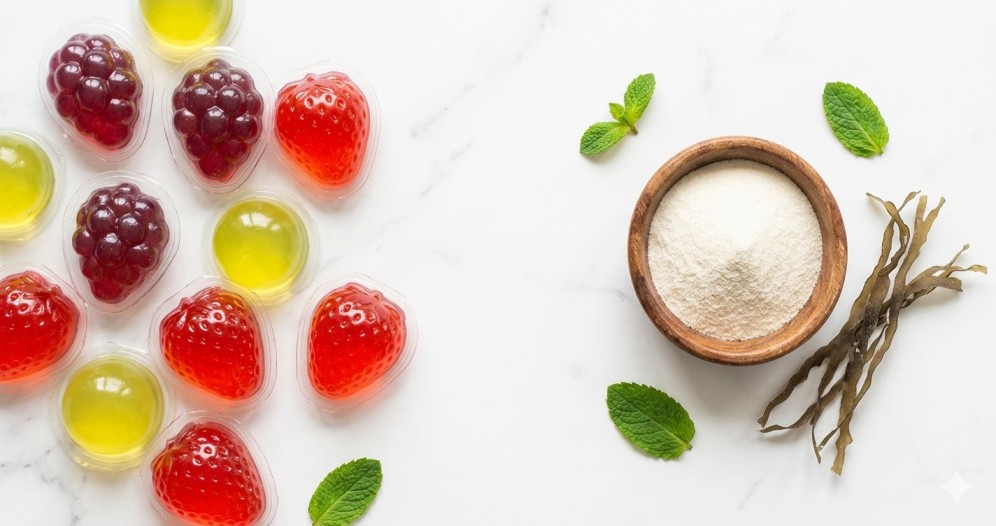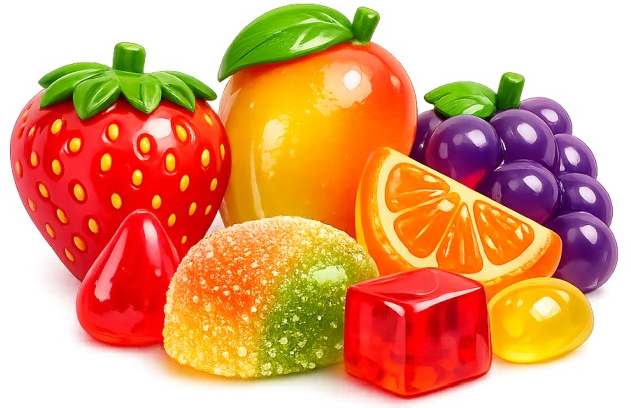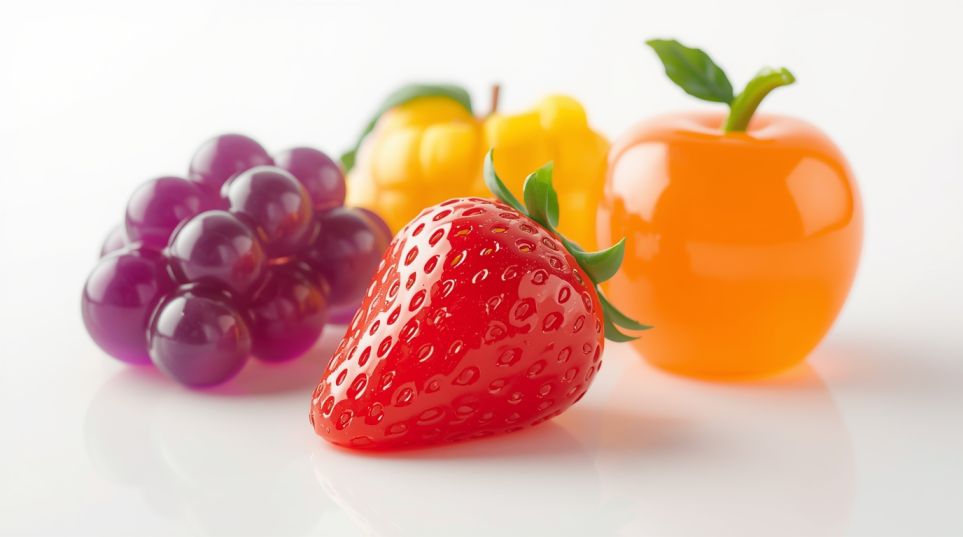
Let me take you back to last summer. My niece had just turned six, and like every cool uncle, I showed up to her birthday party with a massive bag of those colorful jelly fruit cups – you know, the ones that look like tiny UFOs filled with neon green and red goo? The kids went absolutely ballistic. But then my sister – who happens to be a pediatric nurse – pulled me aside and asked, “Do you even know what’s in these things?”
I stood there holding a half-eaten pineapple-flavored jelly cup, suddenly realizing I had no clue. That moment sent me down a rabbit hole of food labels, FDA warning letters, and some pretty uncomfortable conversations with food scientists. What I found out completely changed how I view these trendy snacks that are taking over TikTok and every corner store from Karachi to California.
So let’s cut through the marketing fluff and talk about what’s really going on with jelly fruits – the good, the bad, and the genuinely dangerous stuff that could save someone’s life.
What Are We Even Talking About Here?
First things first – when people say “jelly fruits,” they’re usually throwing three completely different products into the same bucket. And that’s where the confusion starts.
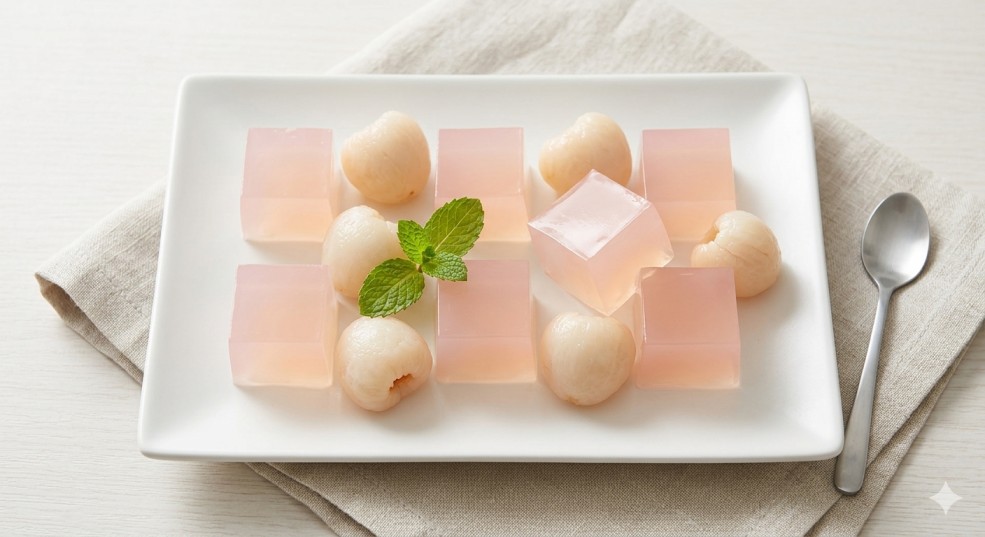
You’ve got your classic gelatin cups – the wiggly, jiggly stuff that reminds you of school cafeteria desserts. Then there are the konjac jelly cups, which look similar but have this weird, rubbery texture that doesn’t break apart easily in your mouth. These things are basically made from elephant yam root (yeah, really), and they’re huge in Asian markets but have been banned or restricted in several countries because of safety issues.
Then there’s the new wave – those squeeze pouches that look like baby food but taste like candy. Brands market these as “fruit snacks” or “healthy alternatives,” shoving pictures of fresh strawberries on the front when the ingredient list tells a completely different story.
I learned this the hard way when I bought what I thought were “natural fruit jellies” for my gym bag. Turns out they had about as much real fruit as a can of soda. The “fruit” was mostly flavoring, and the “health benefits” were basically just marketing fiction.
The Sugar Bomb Nobody Talks About
Okay, let’s get real about nutrition. I used to think, “Hey, it’s jelly, how bad can it be?” Then I actually read the back of a popular brand – let’s call them “Fruit Blast” or something equally misleading. One tiny cup, maybe three bites total, had 18 grams of sugar. That’s four and a half teaspoons. In something that takes you thirty seconds to eat.
To put that in perspective, the American Heart Association says women should stick to under 25 grams of added sugar per day. Men get 36 grams. So eating two of these “healthy” snacks puts a woman at nearly double her daily limit before she’s even had lunch.
And here’s the kicker – because it’s in jelly form, it hits your bloodstream fast. There’s no fiber to slow it down, no protein to buffer the spike. Just straight sugar flooding your system.
I tested this myself with a glucose monitor (yeah, I’m that guy now). Ate one packet of those fancy “vitamin-enriched” jelly fruits on an empty stomach. My blood sugar shot up 40 points in twenty minutes, then crashed hard enough that I was reaching for coffee an hour later. That’s not health food – that’s a rollercoaster your pancreas didn’t sign up for.
But wait, you say, what about the sugar-free ones? I fell for that trap too. Sugar-free jelly fruits usually swap sugar for sugar alcohols like maltitol or erythritol. Sure, they don’t spike your glucose as much, but maltitol in particular can turn your digestive system into a warzone.
I’m talking bloating, cramps, and bathroom situations you don’t want to experience on a first date. I learned this during a road trip through Texas where I demolished a whole bag of sugar-free peach rings. Let’s just say I got very familiar with every rest stop between Austin and Dallas.
The Choking Hazard That Keeps ER Doctors Awake at Night
Now we need to talk about something serious, because this isn’t just about nutrition – it’s about life and death.
Remember those konjac jelly cups I mentioned? The ones with the super bouncy texture?
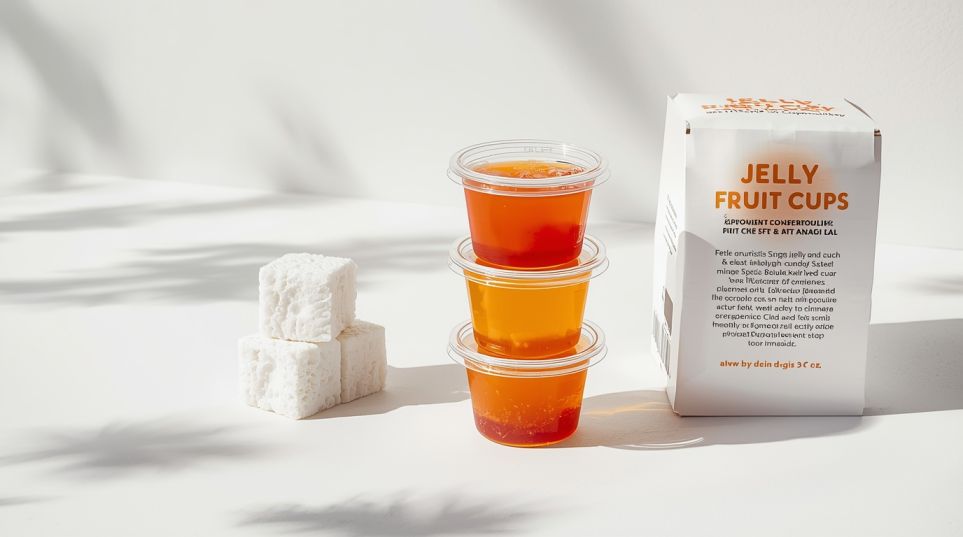
In 2001, the FDA actually had to issue a specific warning about these things after several children choked to death. I’m not being dramatic here – this is documented. The problem is that these mini-cups are exactly the size to block a child’s airway completely, and the konjac gel doesn’t dissolve when it hits saliva. It stays solid.
A kid pops the whole thing in their mouth, it slides down, gets stuck, and emergency tracheotomies happen in living rooms.
I spoke with Dr. Sarah Chen, an emergency physician in Los Angeles, who told me she’s had to extract these things from kids’ throats more than once.
“They don’t chew them,” she said. “They suck them out of the cup and swallow. It’s like a perfect plug for a child’s windpipe.”
The FDA banned the import of konjac jelly cups that are small and cup-shaped, but they’re still everywhere in international markets and some ethnic grocery stores.
If you see jelly fruits that say “konnyaku” or “konjac” and they’re in small individual cups with a peel-off lid, do not – I repeat, do not – give them to kids under six, elderly people, or anyone who has trouble swallowing. Actually, just don’t buy them at all. It’s not worth the risk.
Even the regular gelatin ones can be choking hazards if kids run around while eating them. I saw it at that birthday party – a kid laughing with a mouthful of red jelly, suddenly coughing and turning red. His dad had to slap his back pretty hard to dislodge it. Scared ten years off my life.
But Are There Any Actual Benefits?
Okay, I’ve been pretty negative, and that’s not entirely fair. There are some legitimate upsides to certain types of jelly fruits, especially if you’re smart about which ones you pick.
For starters, if you’re dealing with a sick kid (or adult) who won’t drink water, those electrolyte jelly cups can actually help with hydration. When my nephew had the stomach flu last winter, the only thing he would keep down were these pediatric electrolyte jelly cups his mom had stashed away. The texture is easier on nausea than plain water, and they do provide fluids.
Then there’s the collagen angle. Traditional gelatin-based jellies actually do contain collagen protein – not a lot, maybe 1 or 2 grams per serving, but it’s there. If you’re making homemade jelly with quality gelatin from grass-fed sources, you’re getting glycine and proline, which are amino acids your skin and joints actually use.
I’ve started making my own jellies with real fruit juice and grass-fed gelatin powder, and honestly? They’re pretty good. Plus, the protein content makes them more filling than the store-bought garbage.
The konjac-based ones, despite their dangers, do have serious fiber benefits for adults who can eat them safely. That glucomannan fiber can help with constipation and might even help you feel full if you’re trying to lose weight.
But again – only if you’re an adult, you chew thoroughly, and you drink a ton of water with them. I tried them during a cutting phase for bodybuilding, and they did help kill sweet cravings with almost zero calories. But I cut them into tiny pieces first, and I never ate them while distracted.
There’s also the psychological benefit, which we shouldn’t dismiss. Sometimes you just need something sweet and fun. If choosing a 60-calorie jelly cup prevents you from eating a 400-calorie donut later, that’s a net win.
I keep a few decent-quality ones in my desk drawer for those 3 PM sugar crashes, and they’ve saved me from vending machine disasters more than once.
Reading Labels Like Your Life Depends On It (Because Sometimes It Does)
Here’s where my research really opened my eyes. Not all jelly fruits are created equal, and the label tells you everything if you know what to look for.
First, check the ingredient order. By law, ingredients are listed by weight. If the first thing is “sugar,” “corn syrup,” or “glucose-fructose syrup,” put it back. Walk away.
Watch out for artificial dyes – Red 40, Yellow 5, Blue 1. These are petroleum-derived colorings that have been linked to hyperactivity in kids. Europe actually requires warning labels on foods with these dyes, but the US doesn’t.
And please, for the love of all that is holy, check the serving size. I found one brand where the package looked like one serving, but the label said “Servings per container: 2.5.”
So that 80 calories on the front was actually 200 calories if you ate the whole thing – which everyone does. That’s shady marketing.
The Great Jelly Fruit vs. Real Fruit Debate
Let’s address the elephant in the room. Can jelly fruits replace actual fruit in your diet? Absolutely not.
An apple has fiber that scrubs your intestines clean, phytonutrients that fight inflammation, and a crunch that actually cleans your teeth. A jelly fruit has sugar and gelling agents.
I did a comparison for my blog last month. One medium orange versus one “orange-flavored” jelly fruit cup. The orange had fiber, Vitamin C, and potassium. The jelly cup had added sugar and lab-made Vitamin C.
The orange took five minutes to eat and left me satisfied. The jelly cup took thirty seconds and made me want three more.
That said, jelly fruits aren’t trying to be oranges. They’re trying to be candy. And compared to chocolate bars or gummy bears, a decent jelly fruit with real juice is arguably better.
Who Should Just Say No?
If you have diabetes or prediabetes, even the sugar-free ones can mess with blood sugar. If you have swallowing issues, avoid these completely.
Parents of toddlers: under age 3, these are a hard no. Under age 5, you need strict supervision. Or better yet, give them apple slices.
If you’re trying to lose serious weight, these can be trigger foods. Portion control is nearly impossible with hyper-palatable snacks.
Making Peace with Jelly Fruits: A Practical Guide
I keep them out of the house most of the time. If they’re around, they get eaten mindlessly. I buy them for specific situations – road trips, hikes, or sick days.
I look for brands with real fruit puree first, natural colorings, and no high-fructose corn syrup. Yes, they cost more, but it’s worth it.
For kids, I only buy large squeeze pouches and make them sit while eating. No running. No cars. No chaos.
I also make my own with gelatin and real fruit juice. It takes ten minutes and tastes better. Plus, kids love watching liquid turn into jelly.
The Bottom Line
Are jelly fruits healthy? They’re food, not poison – but they’re not health food either.
The konjac ones can kill kids. The sugary ones can wreck your metabolism. The sugar-free ones can destroy your digestion.
But homemade gelatin jellies with real fruit juice? That’s actually pretty decent.
Read labels. Know the risks. Eat mindfully. And sometimes, just eat real fruit.
My sister still reminds me of that birthday party incident. Now I bring better snacks – or watermelon.
Because real food doesn’t need a warning label.
Stay safe out there, and chew your damn jellies. 🍇🍓🍊