Lychee jelly is a delicate, fragrant dessert made from the aromatic pulp of lychee fruit, combined with a gelling agent to create a soft, wiggly treat that captures the essence of tropical summers. Unlike heavy Western jellies, lychee jelly is light, subtly sweet, and intensely floral — a staple in Asian desserts from China to Thailand to Vietnam. Whether made with fresh lychees in season or convenient canned fruit year-round, this jelly transforms an already beloved fruit into something even more ethereal and refreshing.
Lychee jelly is a delicate, fragrant dessert made from the aromatic pulp of lychee fruit, combined with a gelling agent to create a soft, wiggly treat that captures the essence of tropical summers. Unlike heavy Western jellies, lychee jelly is light, subtly sweet, and intensely floral — a staple in Asian desserts from China to Thailand to Vietnam. Whether made with fresh lychees in season or convenient canned fruit year-round, this jelly transforms an already beloved fruit into something even more ethereal and refreshing.
Lychee jelly — just saying the words makes me think of humid summer afternoons in my grandmother’s kitchen, the air thick with the perfume of ripe lychees being peeled one by one. She’d save the ones that were slightly too soft for eating fresh and turn them into these shimmering, pale pink jellies that she’d serve chilled in small glass bowls. The first spoonful was always a revelation: cool, silky, and exploding with that unmistakable lychee fragrance that no other fruit quite replicates.
If you’ve only ever encountered lychee as a canned fruit topping or a bubble tea flavor, making lychee jelly from scratch will completely change your relationship with this tropical gem. It’s surprisingly straightforward — much simpler than you’d expect for something that tastes so elegant and refined. And the best part? You control the sweetness. Most store-bought versions are loaded with sugar to mask mediocre fruit. When you make it yourself, the natural flavor of the lychee shines through, delicate and true.
In this guide, I’m sharing everything I’ve learned about making lychee jelly over years of experimenting with fresh, canned, and even lychee syrup varieties. We’ll cover the basic recipe, texture tricks, flavor combinations, and all the creative ways to serve this stunning dessert. By the end, you’ll be able to whip up a batch that rivals anything from a high-end Asian patisserie.
Table of Contents
- What Is Lychee? Understanding the Fruit
- What Is Lychee Jelly?
- Fresh vs Canned Lychees: Which to Use?
- Ingredients You’ll Need
- How to Make Lychee Jelly: Step-by-Step
- Getting the Perfect Texture
- Delicious Flavor Variations
- Creative Ways to Serve Lychee Jelly
- Storage and Shelf Life
- FAQs
- Final Thoughts
What Is Lychee? Understanding the Fruit
Before we dive into jelly making, let’s talk about the star ingredient. Lychee (Litchi chinensis) is a small tropical fruit native to Southeast China, where it’s been cultivated for over 2,000 years. Today, it’s grown across warm regions of Asia, Australia, South Africa, Mexico, and parts of the United States, particularly Florida and Hawaii.
The fruit itself is about the size of a large grape, with a rough, bumpy red or pink shell that peels away to reveal translucent white flesh. Inside that flesh is a single large, inedible brown seed. The texture is firm and juicy, similar to a peeled grape but with more structure. And the flavor? That’s where lychee becomes unforgettable.
Lychee tastes like nothing else in the fruit world. It’s sweet but not cloying, with a distinctive floral aroma that people describe as rose-like, grape-like, or even slightly perfumed. There’s a subtle tartness underneath that keeps it refreshing rather than heavy. When perfectly ripe, a lychee is one of nature’s most sophisticated flavor experiences.
Nutritionally, lychees are impressive for their size. They’re high in vitamin C, copper, and antioxidants called polyphenols. They’re also relatively low in calories — about 66 calories per 100 grams of fresh fruit. However, they’re high in natural sugars, which is something to keep in mind if you’re monitoring your intake.
The season for fresh lychees is frustratingly short. In most growing regions, they’re only available for a few weeks in late spring to early summer. That’s why canned lychees in syrup have become a pantry staple for jelly makers who want to enjoy this flavor year-round.
What Is Lychee Jelly?
Lychee jelly is a dessert that captures the essence of fresh lychees in a soft, gelatinous form. It’s popular across East and Southeast Asia, where you’ll find it in dim sum restaurants, dessert shops, bubble tea toppings, and home kitchens. The texture ranges from firm and bouncy (similar to Jell-O) to soft and pudding-like, depending on the recipe and cultural preference.
In Chinese cuisine, lychee jelly often appears as part of larger dessert presentations — floating in sweet soups, layered in trifles, or served alongside other jellies and fruits. In Thailand, it’s commonly paired with coconut cream for a rich, tropical combination. In Vietnam, you might find it as a cooling street snack, sold in plastic cups from market vendors.
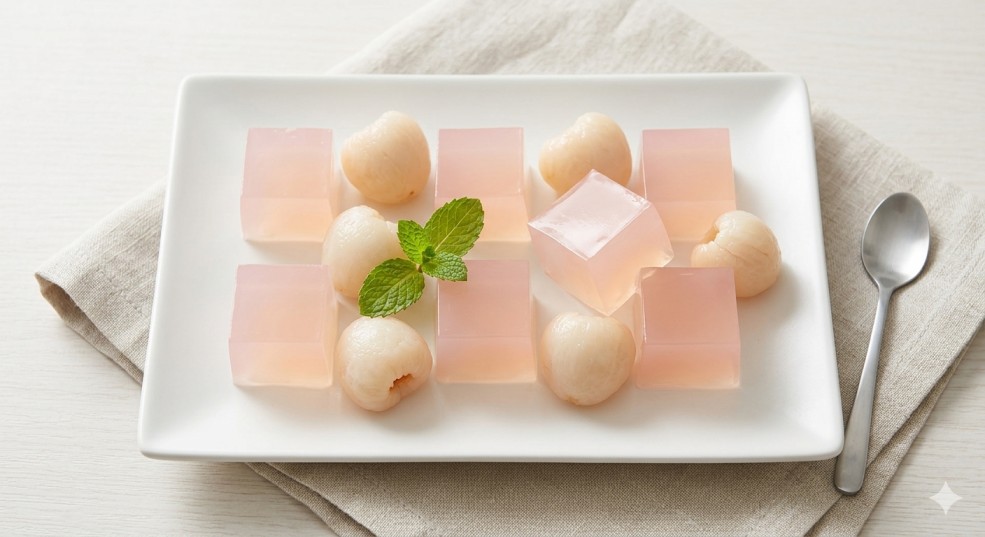
What distinguishes lychee jelly from other fruit jellies is its subtlety. Lychee flavor is delicate and easily overwhelmed by too much sugar or strong competing flavors. A well-made lychee jelly should taste primarily of lychee, with sweetness playing a supporting role rather than stealing the show. The color should be pale — almost translucent white with a faint pink blush — never artificially bright.
The gelling agents used vary by tradition and desired texture. Agar-agar creates a firmer, more brittle jelly common in East Asian recipes. Gelatin produces a softer, more wiggly result popular in Western-influenced versions. Pectin can be used for a spreadable, jam-like consistency. Each has its place, and I’ll help you choose based on your preferences.
Fresh vs Canned Lychees: Which to Use?
This is the question every lychee jelly maker faces, and the honest answer is: both work beautifully, but they produce slightly different results.
Fresh Lychees:
- Seasonal availability (late spring to early summer)
- More intense, complex flavor
- Better aroma and floral notes
- Requires peeling and pitting
- Natural juice is less sweet, more nuanced
- Best for: Purists, special occasions, when you want the absolute best flavor
Canned Lychees in Syrup:
- Available year-round
- Consistent quality and flavor
- Already peeled and pitted — huge time saver
- Syrup adds sweetness and can be used in the recipe
- Slightly softer texture, less perfume
- Best for: Regular batches, convenience, beginner jelly makers
My recommendation? If fresh lychees are in season and you have the patience to peel a few pounds, absolutely use them. The difference in fragrance is noticeable. But don’t feel like you’re compromising with canned — some of the best lychee jelly I’ve ever made came from high-quality canned fruit, and the convenience factor is real.
When using canned lychees, reserve the syrup. It’s essentially lychee-infused sugar water and adds authentic flavor to your jelly base. You can adjust the added sugar in your recipe to account for the syrup’s sweetness.
Ingredients You’ll Need
The ingredient list for basic lychee jelly is wonderfully short. Quality matters here more than quantity, since there are so few components.
For a Standard Batch (serves 6-8):
- 2 cups lychee puree or finely chopped lychee flesh (from about 20-25 fresh lychees or 1 large can)
- 1/2 cup water (or reserved lychee syrup from canned fruit)
- 1/2 to 3/4 cup granulated sugar (adjust to taste and sweetness of fruit)
- 1 tablespoon fresh lemon juice
- 2 teaspoons agar-agar powder (for firm jelly) OR 2 tablespoons unflavored gelatin (for soft jelly)
- Pinch of salt (enhances flavor — don’t skip)
Optional Enhancements:
- 1/4 teaspoon rose water (amplifies floral notes)
- Small drop of pink food coloring (only if you want visual enhancement)
- 1/2 cup coconut milk (for a creamy variation)
About the gelling agents:
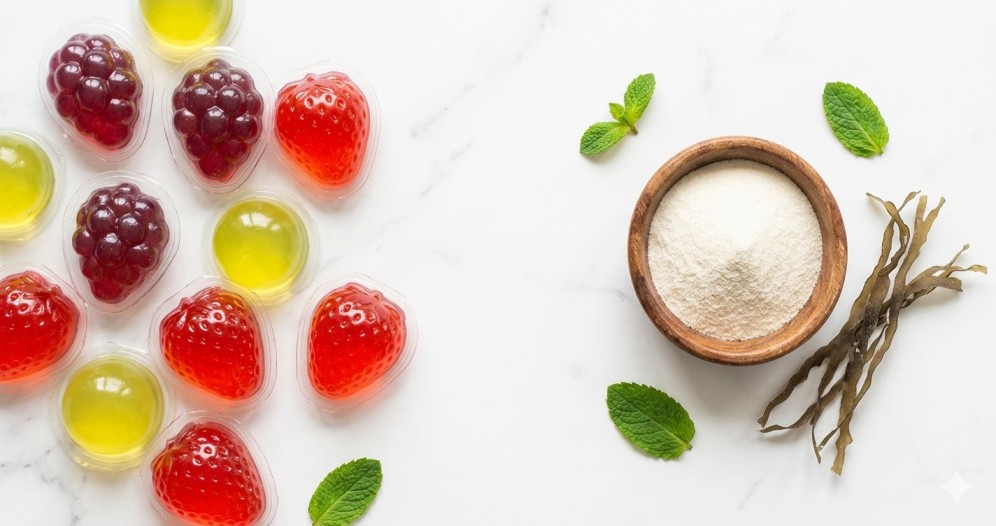
Agar-agar is my go-to for authentic Asian-style lychee jelly. It’s plant-based (derived from seaweed), sets at room temperature, and creates a clean, firm texture that slices beautifully. It also has a very neutral flavor that doesn’t interfere with the lychee.
Gelatin produces a softer, more wobbly jelly that’s familiar to Western palates. It’s animal-derived (usually from pork or beef), so it’s not suitable for vegetarians or those keeping halal or kosher diets. The texture is more delicate and melts faster in the mouth.
Pectin can work but requires more acid and sugar to set properly. I don’t recommend it for beginners since lychee is low in natural pectin and the chemistry can be finicky.
How to Make Lychee Jelly: Step-by-Step
This is my tested recipe using agar-agar for a firm, traditional texture. If you prefer gelatin, see the substitution notes at the end.
Step 1: Prepare the Lychee Puree
If using fresh lychees, peel off the rough outer shell and remove the large central seed. Chop the flesh finely or pulse briefly in a food processor — you want small pieces, not complete mush. Some texture is desirable.
If using canned lychees, drain them well (reserving the syrup) and chop or pulse similarly.
Step 2: Make the Base Liquid
In a saucepan, combine the water (or reserved lychee syrup), sugar, lemon juice, and salt. Heat over medium heat, stirring until the sugar dissolves completely. Don’t boil yet — you just want a smooth, warm liquid.
Step 3: Bloom the Agar
In a small bowl, whisk the agar-agar powder with 2 tablespoons of cold water. Let it sit for 2-3 minutes. This “blooming” step ensures the agar hydrates properly and dissolves without clumping.
Step 4: Cook and Dissolve
Add the bloomed agar to the warm sugar liquid. Whisk constantly and bring to a gentle boil. Maintain the boil for 2 minutes — agar needs sustained heat to fully activate its gelling power. You’ll notice the liquid start to thicken slightly.
Step 5: Add the Lychee
Remove the pot from heat. Stir in the lychee puree and rose water if using. Mix thoroughly but gently — you don’t want to break down the fruit pieces completely.
Step 6: Set the Jelly
Pour the mixture into your chosen molds or serving dishes. Small glass bowls, ramekins, silicone molds, or even a shallow baking dish for slicing into cubes all work well.
Let cool to room temperature, then refrigerate for at least 2 hours. Agar sets faster than gelatin, so you’ll see firming begin within 30 minutes at room temperature.
Step 7: Serve and Enjoy
Unmold if desired, or serve directly in dishes. Top with fresh lychee pieces, mint leaves, or a drizzle of coconut cream.
For Gelatin Version: Substitute 2 tablespoons unflavored gelatin for the agar. Bloom it in 1/4 cup cold water for 5 minutes. Add the bloomed gelatin to the warm (not boiling) sugar liquid and stir until dissolved. Proceed with adding lychee and setting in the refrigerator for 4 hours or overnight.
Getting the Perfect Texture
Texture is everything in jelly making. Too firm, and it’s rubbery and unpleasant. Too soft, and it falls apart when you try to serve it. Here’s how to nail the ideal lychee jelly consistency.
For Firm, Sliceable Jelly (Agar):
- Use 2 teaspoons agar per 2 cups liquid
- Boil for full 2 minutes after adding agar
- Refrigerate for cleanest release from molds
- Perfect for cutting into cubes or decorative shapes
For Soft, Spoonable Jelly (Gelatin):
- Use 2 tablespoons gelatin per 2 cups liquid
- Don’t boil after adding gelatin — high heat destroys its gelling power
- Longer refrigeration (4+ hours) yields firmer set
- Best for serving in bowls with a spoon
Troubleshooting Texture Issues:
Too firm/rubbery: You used too much gelling agent, or agar was boiled too long. Next time, reduce by 1/4 teaspoon or shorten boiling time.
Too soft/weeping: Not enough gelling agent, or agar wasn’t boiled long enough. Also possible with underripe fresh lychees that have high enzyme content. Increase gelling agent slightly next time.
Grainy texture: Agar wasn’t bloomed properly or had clumps. Always whisk agar into cold water first, never directly into hot liquid.
Cloudy appearance: Fruit pulp wasn’t strained, or mixture was agitated while setting. For crystal-clear jelly, strain through fine mesh before pouring into molds.
Delicious Flavor Variations
Once you’ve mastered the basic lychee jelly, the fun really begins. Lychee pairs beautifully with a surprising range of flavors.
Lychee-Rose Jelly: Add 1/2 teaspoon rose water and a tiny drop of pink coloring. The floral combination is classic in Middle Eastern and South Asian desserts — sophisticated and romantic.
Lychee-Coconut Jelly: Replace half the water with coconut milk. The creamy richness balances lychee’s acidity and creates a more substantial dessert. Top with toasted coconut flakes.
Lychee-Ginger Jelly: Add 1 tablespoon finely grated fresh ginger to the sugar liquid while heating. Strain before adding agar. The gentle heat is incredibly refreshing.
Lychee-Lime Jelly: Replace lemon juice with fresh lime juice and add 1 teaspoon finely grated lime zest. Brighter and more tropical — perfect for summer.
Layered Lychee-Mango Jelly: Make two separate batches — one lychee, one mango puree. Pour the first layer, let set 30 minutes, then add the second. Stunning visual effect.
Champagne Lychee Jelly: For adults-only occasions, replace half the water with sparkling wine or champagne. The bubbles create a fun, effervescent texture and the alcohol adds elegance.
Creative Ways to Serve Lychee Jelly
Presentation transforms a simple jelly into a memorable dessert experience.
In Bubble Tea: Cube the firm agar version and use as a topping in milk tea or fruit tea. The lychee flavor complements black tea, green tea, and coconut milk bases beautifully.
As a Cake Filling: Use soft gelatin-based lychee jelly between cake layers. The moisture and flavor pair especially well with vanilla, coconut, or almond cakes.
With Fresh Fruit: Serve cubes or scoops in a bowl surrounded by fresh lychees, strawberries, and kiwi. Drizzle with a little of the reserved lychee syrup.
In a Trifle: Layer lychee jelly cubes with whipped cream, sponge cake, and fresh fruit in a glass dish. Chill until set for an impressive make-ahead dessert.
As a Palate Cleanser: Serve a small portion between courses of a heavy meal. The light, floral flavor resets the taste buds perfectly.
Frozen Pops: Pour the liquid mixture into popsicle molds before setting. Freeze for lychee jelly pops — a hit with kids and adults alike.
Cocktail Garnish: Float small cubes in champagne, prosecco, or a lychee martini. The jelly slowly releases flavor as it melts into the drink.
Storage and Shelf Life
Proper storage keeps your lychee jelly tasting fresh and looking beautiful.
Refrigeration:
- Store covered in the refrigerator for up to 5 days
- Agar-based jelly holds up better than gelatin over time
- Keep away from strong-smelling foods — lychee jelly absorbs odors easily
Freezing:
- Firm agar jelly can be frozen for up to 1 month
- Thaw in the refrigerator, not at room temperature
- Texture may be slightly softer after freezing but still enjoyable
- Gelatin-based jelly does not freeze well — it weeps and separates
Make-Ahead Strategy:
- Make 1-2 days before serving for best flavor melding
- Keep in molds until ready to serve, then unmold
- For parties, prepare individual portions in small glasses for easy serving
Transporting:
- Transport in a cooler with ice packs if traveling more than 30 minutes
- Agar jelly is more stable for transport than gelatin
- Serve within 2 hours of removing from refrigeration for food safety
FAQs
What does lychee jelly taste like?
Lychee jelly tastes sweet and floral with a subtle tartness, capturing the essence of fresh lychee fruit. The flavor is delicate and perfumed, often described as a combination of grape, rose, and pear with tropical undertones. It’s lighter and more refined than most Western fruit jellies.
Can I make lychee jelly with canned lychees?
Yes, canned lychees work excellently for lychee jelly and are the most convenient option for year-round baking. Use high-quality canned lychees in light syrup, reserve the syrup to use as part of your liquid base, and adjust added sugar accordingly since the syrup is already sweet.
Is lychee jelly vegan?
Lychee jelly made with agar-agar is completely vegan, as agar is derived from seaweed. However, versions made with gelatin are not vegan since gelatin comes from animal collagen. Always check the ingredient list if purchasing pre-made lychee jelly, as commercial versions vary.
How long does homemade lychee jelly last?
Homemade lychee jelly lasts up to 5 days refrigerated when stored in an airtight container. Agar-based jelly tends to hold up better than gelatin-based versions. For longer storage, firm agar jelly can be frozen for up to 1 month, though texture may soften slightly upon thawing.
What’s the difference between lychee jelly and lychee Jell-O?
Lychee jelly typically refers to Asian-style desserts made with real lychee fruit and agar-agar, featuring a delicate, floral flavor and firmer texture. Lychee Jell-O would be Western-style gelatin dessert using artificial lychee flavoring, much sweeter, and with a characteristic wobbly texture. The two are quite different in taste and authenticity.
Why didn’t my lychee jelly set properly?
The most common causes are insufficient gelling agent, not boiling agar long enough to activate it, adding gelatin to boiling liquid (which destroys its gelling power), or using too much liquid relative to the gelling agent. Always measure carefully and follow temperature guidelines for your chosen gelling agent.
Final Thoughts
Making lychee jelly at home is one of those kitchen projects that feels fancy but is actually incredibly approachable. The ingredient list is short, the technique is forgiving, and the results are genuinely impressive. Whether you’re making it for a dinner party, a quiet family dessert, or just because you bought too many cans of lychees on sale, this jelly delivers something special every time.
What I love most is how it captures a specific moment and place — the humid sweetness of a tropical afternoon, the patience of peeling fruit by hand, the satisfaction of watching liquid transform into something shimmering and solid. It’s cooking as meditation, and the reward is a dessert that tastes like pure, distilled summer.
My advice? Start with the basic agar recipe using canned lychees. Master that, then branch out into the variations. Try the coconut version for richness, the ginger version for intrigue, or the champagne version when you want to feel celebratory. Each one brings out a different facet of lychee’s complex, captivating personality.
Give this recipe a try the next time you want something that’s equal parts comforting and exotic. I think you’ll find, as I did, that lychee jelly has a way of making an ordinary day feel just a little more magical.