I’ll never forget the first time my daughter brought home a bucket of those translucent, grape-shaped balls from the Asian market. “They’re viral on TikTok,” she announced, shoving a $16 plastic tub into my hands. I looked at these wiggly, sugar-dusted orbs and thought: This is it? This is what kids are losing their minds over?
Three hours later, I was standing over my kitchen sink at midnight, fishing the last grape-flavored one out of the bucket with sticky fingers, wondering why I couldn’t stop eating them. And that’s the thing about jelly fruits – they look ridiculous, the name makes no sense, and yet there’s something weirdly addictive about biting through that thin rubbery skin into the soft center.
If you’re here because your kid won’t stop begging for them, or you keep seeing people on social media biting into these things and making that satisfying “pop” sound, or you’re just confused about why anyone would pay money for what looks like bath toys – I’ve got you. I bought way too many of these, tried all the flavors, made every mistake possible (including getting the juice squirted directly into my eye – yes, really), and I’m going to tell you everything you actually need to know.
So What Are These Things, Really?
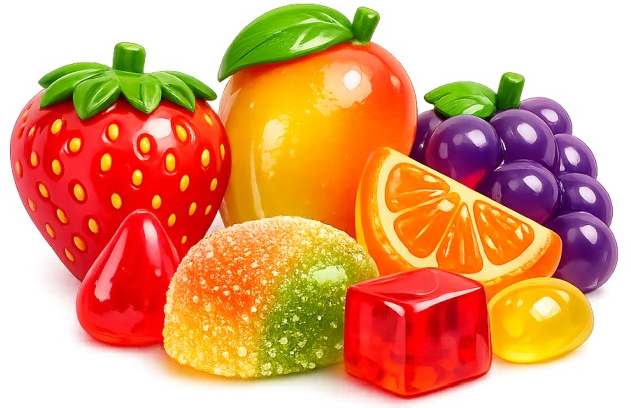
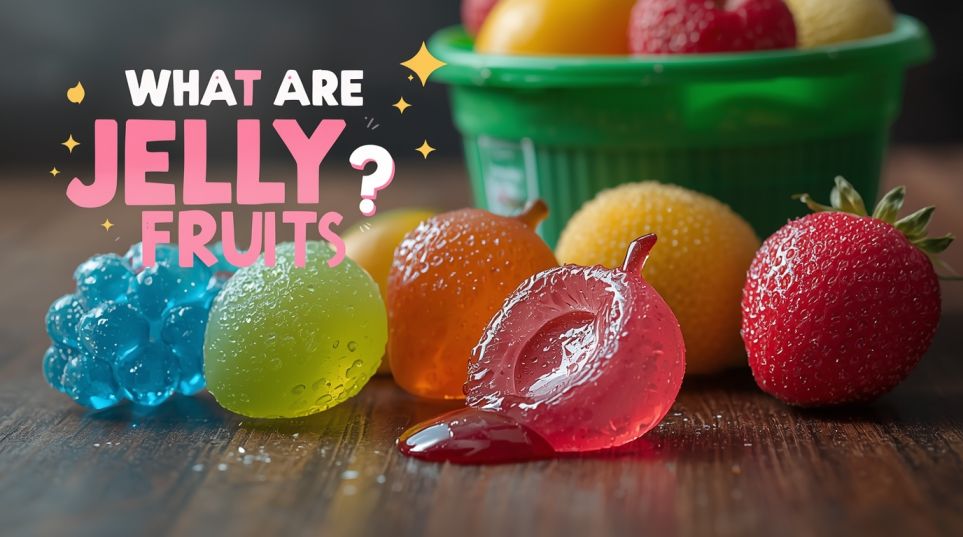
Jelly fruits are a specific type of Asian candy that’s been around for decades but exploded globally around 2020 thanks to TikTok. They’re individual, fruit-shaped candies – usually grapes, apples, strawberries, or mangoes – encased in a thin, edible membrane that feels like a cross between fruit leather and a balloon. Inside that membrane is a soft, pudding-like gel that’s usually mixed with fruit juice or flavoring.
The texture is the whole point. Unlike gummy bears which are chewy and dense throughout, or Jell-O which is just… Jell-O, jelly fruits have this dual-texture thing happening. The outside is resistant and slightly chewy, while the inside is soft and yielding. When you bite through, the interior kind of squirts or squeezes out, creating that ASMR moment that made them internet famous.
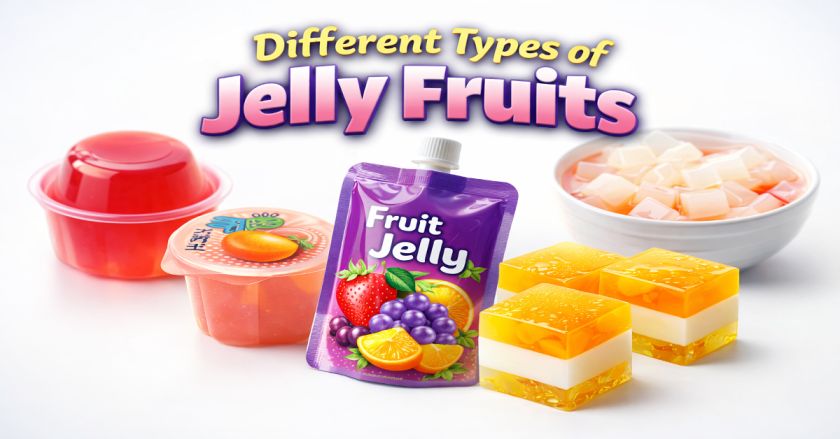
The most common brand you’ll see is Din Don (also sold as Ju-C Jelly Fruits), which comes in those big plastic buckets with the green lids. But here’s where it gets confusing – there’s a similar product called konjac jelly cups that people often mix up with these. Those are the ones in the small square cups, usually firmer and made with konjac root powder. They’re related but different – think of them as cousins, not twins.
I learned this distinction the hard way when I ordered what I thought was “the viral TikTok candy” on Amazon and got konjac cups instead. They were fine, but they didn’t have that satisfying squish I was expecting. If you’re hunting for the specific ones from the videos, look for the words “fruit shaped” or “bursting jelly” on the packaging, not just “jelly cup.”
Why Did These Random Candies Take Over the Internet?
The TikTok trend started pretty simply – people filming themselves biting into these things and making that crisp “pop” sound, followed by the visual of the colorful interior oozing out. It’s pure ASMR content. The hashtags #jellyfruit and #dindon have billions of views, with creators doing “jelly fruit challenges” where they try to eat them without using their hands, or seeing who can make the biggest mess.
But there’s also this element of confusion that fueled the virality. Early videos showed people trying to figure out if you were supposed to peel them (you’re not), or choking slightly when the juice went down the wrong pipe, or having the candy explode and shoot across the room. It was chaotic, messy content – and internet gold.
What I noticed, though, is that the trend stuck around longer than most viral foods because people actually liked eating them once the camera stopped rolling. Unlike some viral foods that taste terrible (remember the pink sauce chaos?), these are genuinely enjoyable. They’re sweet without being cloying, the texture is novel enough to be interesting but not so weird that it’s off-putting, and there’s something almost meditative about the ritual of biting into them.
The Real Brands vs. The Fakes (Don’t Waste Your Money Like I Did)
After getting hooked on my first bucket from H Mart, I went down a rabbit hole trying to find the “best” ones. Here’s what I discovered:
- Din Don / Ju-C: This is the O.G. brand that started the trend. Usually $14-18 for a 45-count bucket. The grape flavor is their best – it actually tastes like Concord grape juice, not that artificial purple candy flavor. The texture is reliably squishy but not too fragile.
- Yadina: These are often cheaper, around $10-12, but I found the outer membrane too tough and the flavors more artificial. The strawberry one tasted like medicine.
- TikTok Brand: Yes, there’s literally a brand called “TikTok” that makes konjac jellies. Confusing, right? These are firmer, come in individual packets, and are less about the “burst” and more about chewing. Good for a different experience, but not the viral ones you’re probably looking for.
- Generic Amazon Brands: Here’s where I got burned. I bought a “generic” bucket for $8.99 with some random Chinese characters and no brand name. They arrived melted into one giant blob, and when I managed to separate them, they had this weird chemical aftertaste that made me worried about what was actually in them. Stick to known brands.
- Japanese Premium Versions: Brands like Kasugai make higher-end fruit jellies using real fruit juice and agar-agar. They’re firmer, less messy, and about twice the price. I actually prefer these for eating, but they’re not the “viral” experience.
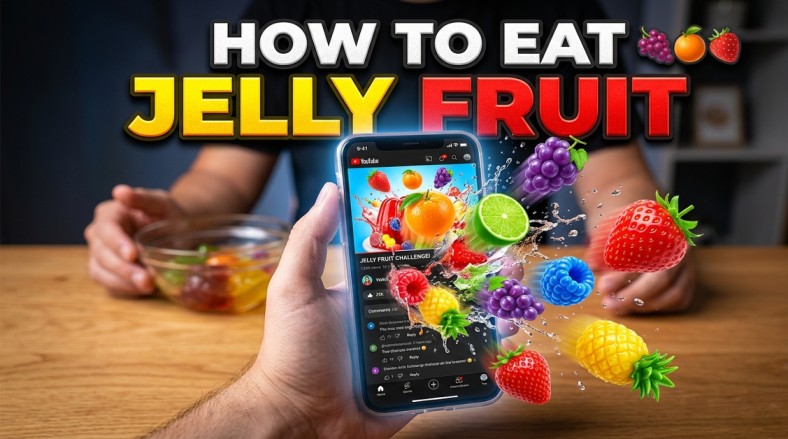
How to Actually Eat These Without Making a Mess (Or Choking)
I need to be serious for a minute because I initially laughed at the choking hazard warnings. Then I watched my friend’s 9-year-old actually choke on one at a party because he tried to swallow the membrane whole after sucking out the inside. It was terrifying.
Here’s the technique that works:
Step 1: Chill them. Seriously, put the bucket in the fridge for at least an hour before eating. Room temperature jelly fruits are too soft – the membrane collapses when you grab it, and the inside is too liquidy. Cold ones have a firmer texture that’s easier to control.
Step 2: Don’t peel them. That outer layer looks like skin, but it’s not peelable. It’s meant to be bitten through. I spent my first 10 minutes trying to “peel” a grape one like an actual grape, making a sticky mess and getting weird looks from my family.
Step 3: The bite. Hold it between your thumb and forefinger – not in your palm, or you’ll warm it up too fast. Bring it to your mouth horizontally. Bite firmly from the side or top, not straight into the center. You want to pierce the membrane so the interior gradually squeezes out. If you bite too hard or at the wrong angle, the juice shoots out – hence my eye incident.
Step 4: Chew thoroughly. That membrane is chewy and needs to be broken down before swallowing. Don’t try to swallow it whole.
Safety red flags: Do not give these to kids under 5. Don’t eat them while lying down. Don’t try to pop the whole thing in your mouth at once for a video unless you really know what you’re doing. And if you have swallowing difficulties or dental issues, maybe skip these entirely.
Where to Find Them (And What You Should Actually Pay)
When the trend first hit, these were impossible to find. Now they’re everywhere, but prices are all over the place.
- Asian Grocery Stores (Best Option): H Mart, 99 Ranch Market, or your local Asian supermarket. Usually $12-16 for a 45-count bucket. Check the expiration date – I once grabbed one that was 8 months old, and the texture was like rubber balls.
- Amazon: Convenient but pricier. Expect $18-24 for the real Din Don brand. Watch out for third-party sellers shipping from overseas – shipping times are long, and they often arrive melted or damaged. Look for “Ships from Amazon.com” or buy directly from the Din Don storefront.
- Walmart/Target: Sometimes have them in the international aisle for $20+. Overpriced, but convenient if you need them today.
- TikTok Shop: Yes, you can buy them directly through the app now. I haven’t tried this because I don’t trust the return policy if they arrive damaged, but friends say it works fine.
- Convenience Stores: I’ve seen bodegas in big cities charging $25+ because they know desperate parents will pay. Don’t do it. That’s a rip-off.
Pro tip: If you live near a Costco, check there occasionally. They sometimes stock the big buckets seasonally for around $10, which is the best deal I’ve found.
The Flavor Breakdown (I Ate Them All So You Don’t Have To)
After consuming an embarrassing number of these, here’s my honest ranking:
- Grape: The champion. Tastes like actual Concord grape juice, not fake candy. The texture seems softer in the grape ones for some reason. This is the flavor I hide from my kids.
- Mango: Surprisingly authentic. Like mango nectar, not just “yellow flavor.” Slightly firmer texture than grape.
- Apple: My kids love this one; I think it’s boring. Tastes like green apple Jolly Rancher but less intense. Good for people who don’t like strong flavors.
- Strawberry: Hit or miss. Sometimes it tastes like fresh strawberries, sometimes like strawberry cough syrup. I avoid these unless I know the batch is good.
- Peach: When it’s good, it’s amazing – like biting into a ripe peach. When it’s bad, it tastes like perfume. Risky flavor.
- Lychee: Harder to find but worth seeking out. Delicate, floral flavor that’s less sweet than the others. My personal favorite when I can find it.
The thing is, you’re not really eating these for the flavor – you’re eating them for the texture. The flavor is secondary to that weirdly satisfying squish.
Are They Healthy? Let’s Be Real
Look, I did the research because I was eating so many I got worried. Each jelly fruit is roughly 15-20 calories, almost entirely from sugar. There’s no fat, minimal protein, and they’re basically empty calories.

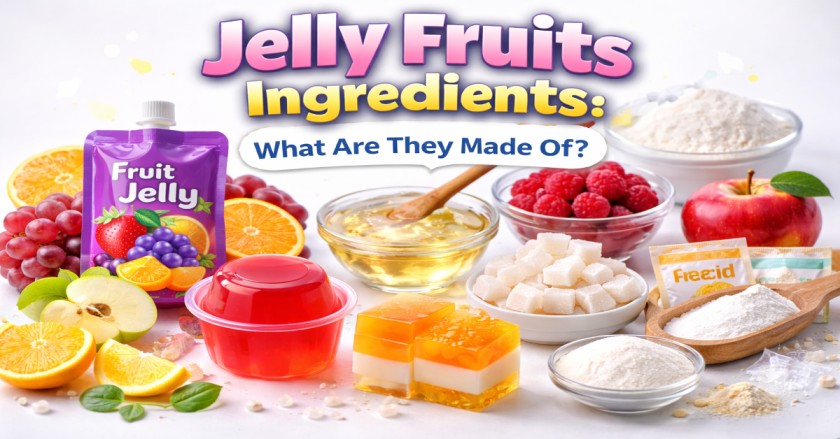
The ingredients list is pretty standard for candy: water, sugar, carrageenan or konjac powder (the gelling agents), citric acid, and artificial colors/flavors. Some brands use real fruit juice; most use “fruit flavoring,” which is vague but generally means artificial.
The konjac-based ones are sometimes marketed as “diet food” because konjac root is basically indigestible fiber. But honestly, if you’re eating candy, just enjoy the candy. Don’t pretend these are health food because you’ll eat twice as many thinking they’re “light.”
I will say they’re better for your teeth than caramel or taffy – they don’t stick in the crevices as much. But they’re still sugar.
The DIY Disaster (Don’t Do What I Did)
After spending probably $50 total on buckets, I got ambitious. I found recipes online for “reverse spherification” using calcium lactate and sodium alginate to recreate that membrane effect at home.
I spent $30 on specialty ingredients, ruined three of my wife’s good bowls, and spent an entire Saturday afternoon making what can only be described as sad, deflated water balloons that tasted vaguely fruity but had the texture of eyeballs. My kids refused to eat them. The cleanup took three days because that alginate powder gets everywhere.
If you want to try it as a science experiment, go for it. If you just want to eat jelly fruits, buy them. It’s not worth the trauma.
Who Should Actually Buy These?
Buy if: You have tweens or teens who want to participate in the trend safely at home, you’re looking for a unique party snack that gets people talking, you enjoy Asian candies and want to try something new, or you just really like weird textures.
Skip if: You have children under 5 (choking hazard is real), you hate sticky fingers, you’re looking for a substantial dessert (these are light and snacky, not filling), or you get frustrated easily with messy foods.
Final Thoughts: Worth the Hype?
Three months ago, I thought jelly fruits were the stupidest internet trend I’d ever seen. Now I keep a bucket in my fridge for when I want something sweet but don’t want chocolate or heavy candy.
Are they overpriced for what is essentially sugar water in a fancy shape? Absolutely. Is the experience of biting into one and feeling that pop genuinely unique and satisfying? Also yes. They’re fun, they’re weird, and they’re way more enjoyable than they have any right to be.
Just buy from reputable sources, keep them cold, bite carefully, and for the love of all that is holy, do not tilt your head back when you take that first bite. Trust me on that one – my ceiling still has a faint purple stain that reminds me every day.
Have you tried jelly fruits yet? Drop a comment and tell me if you think they’re worth the hype or just weird internet food. And if you know where to find the lychee flavor in bulk in the Chicago area, I need that hookup immediately.
About the Author
I’m a dad of two, snack enthusiast, and person who has cleaned too much sticky sugar off various surfaces. I buy all products mentioned with my own money and review them honestly – no brand has ever sent me free jelly fruits, though I wish they would.