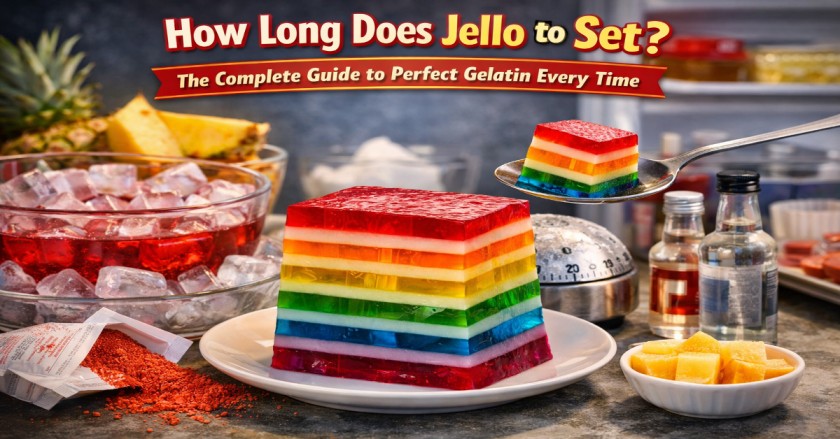
I’ll never forget the Great Jello Disaster of 2019. It was my niece’s fifth birthday party, and I’d volunteered to bring the “fancy layered rainbow jello” I’d seen on Pinterest. You know the type—seven distinct stripes of color, perfectly level, looking like something out of a 1950s Better Homes & Gardens spread.
I started the project at 11 AM for a 3 PM party. By 2:30 PM, I was staring at a Pyrex dish filled with what can only be described as psychedelic soup. The purple layer had bled into the blue, the green was still liquid, and when I tried to cut it? Let’s just say the kids ended up drinking their “jello” through straws while I pretended that’s exactly what I’d intended.
That humbling experience sent me down a rabbit hole of gelatin experimentation. Three years, countless boxes of Knox, and one slightly obsessive spreadsheet later, I can tell you exactly how long jello takes to set—and more importantly, why it sometimes refuses to cooperate with your schedule.
The Real Answer (Not the One on the Box)
Here’s the truth that Jell-O brand doesn’t put on their packaging: four hours minimum for anything you’d serve to people you actually like.
Sure, the box says “refrigerate until firm, about 4 hours,” but in my experience, that’s the bare minimum for standard preparation. If you’re making basic jello in a shallow dish? Four hours gets you something that holds a shape but still quivers like it’s afraid of its own shadow. For anything involving layers, alcohol, or those fancy copper molds your grandmother left you? We’re talking six to eight hours, often overnight.
I’ve found that jello actually hits its sweet spot—the perfect jiggle, the clean slice, that satisfying snap when your spoon breaks the surface—right around the six-hour mark. Before that, you’re in the danger zone.
Why Your Jello is Being Stubborn (The Science, But Make it Human)
I used to think jello setting was just about cold. You know, hot liquid goes into cold fridge, comes out solid. Simple physics, right?
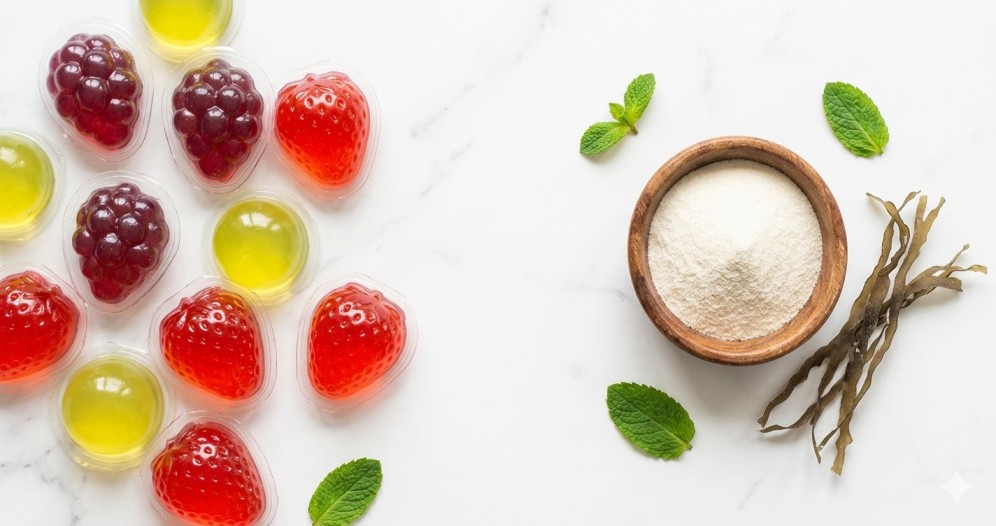
Turns out, it’s more like a slow dance between protein molecules. When you pour that boiling water over the powder, you’re basically unwinding tiny collagen proteins (yes, usually from pig skin or cow bones—sorry to ruin the magic). As the mixture cools in your fridge, these proteins slowly reach out and hold hands, creating a mesh that traps the water.
This hand-holding takes time. Rush it, and you get weak bonds—hence the “jello soup” I served at that birthday party. The temperature needs to drop below 50°F for the real bonding to begin, and even then, those protein chains are moving like they’re at a middle school dance: slow, awkward, and taking forever to connect.
The Variables That Mess With Your Timeline
Depth is Everything
Pour your jello into a 9×13 inch cake pan, and you’ll have wobbly-but-acceptable jello in three hours. Pour that same mixture into a deep trifle bowl or one of those vintage Tupperware jello molds, and you might be waiting until tomorrow morning. The center of a deep mold stays warmer longer—it’s basic thermodynamics, but it’s also the reason I now only use shallow containers when I’m in a hurry.
Alcohol is a Saboteur
Speaking of that college reunion… we tried to make “adult” jello shots with 80-proof rum. Followed the box instructions exactly. Twelve hours later, we had slightly thickened rum punch.
Alcohol literally gets between those protein molecules, preventing them from holding hands properly. The higher the proof, the longer you wait. I’ve learned that for every cup of 40-proof alcohol (your standard vodka), you need to add an extra envelope of unflavored gelatin, and you still need to wait overnight. Patience, or waste good liquor. Your choice.
Your Fridge Lies to You
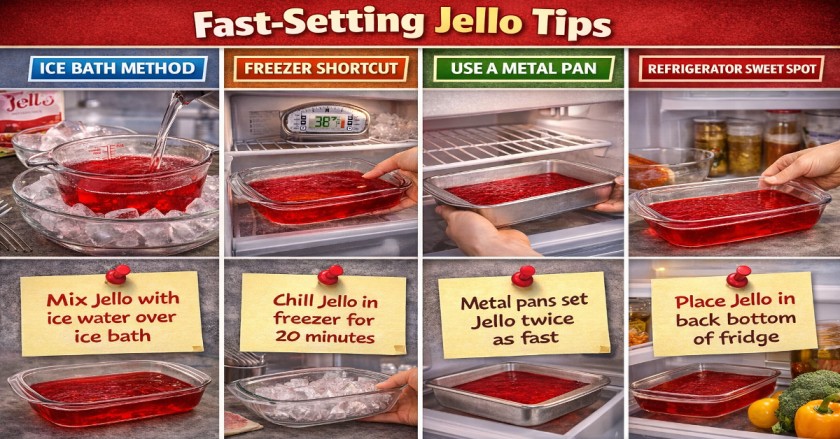
I bought a fridge thermometer after suspecting my appliance was gaslighting me. Sure enough, the “meat drawer” where I stored my jello was sitting at 45°F—five degrees too warm for efficient setting. Most home refrigerators have warm spots, usually the door and top shelf. The back bottom corner? That’s your jello sweet spot. Mine now sets in 3.5 hours instead of 5 since I moved it there.
The Pineapple Problem
My mother-in-law once brought a “sunshine salad” to Easter that remained permanently liquid. She’d used fresh pineapple, which contains an enzyme (bromelain) that eats gelatin for breakfast. Canned pineapple is fine—the canning process kills the enzyme—but fresh pineapple, kiwi, papaya, or ginger will turn your dessert into soup no matter how long you wait. I learned this the hard way with a ginger-pear jello experiment that never set, even after three days in the fridge.
A Realistic Timeline (Based on Actual Kitchen Testing)
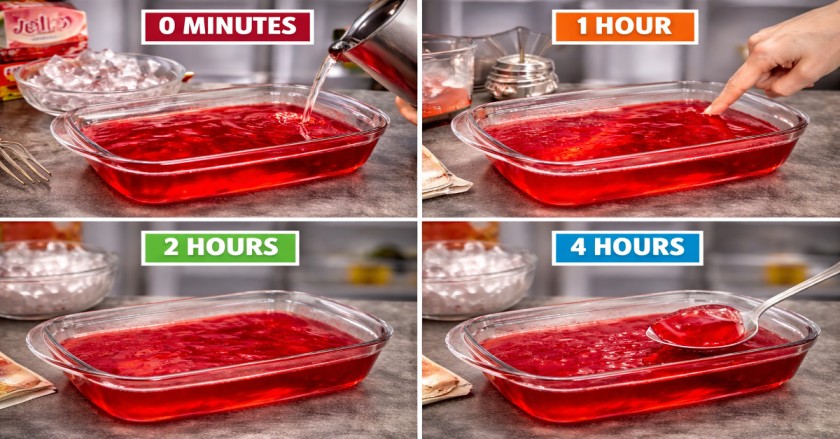
Let me walk you through what actually happens, minute by minute, when I make a standard batch (one 3-oz box, 1 cup boiling water, 1 cup cold water) in a glass 8×8 pan:
- 0–10 minutes: Hot pink (or green, or yellow) liquid. Looks like melted candy. Smells like artificial childhood.
- 30 minutes: Surface might have a thin skin if your fridge is cold. Underneath? Still completely liquid. Do not poke it. I poke it every time, and every time I regret it.
- 1 hour: Edges are starting to look cloudy and thick, but the center sloshes when you move the pan. This is when you start checking it every twenty minutes like it’s a sleeping baby.
- 2 hours: It holds a shape if you’re gentle, but it’s still “soft set.” Good for adding fruit that needs to be suspended, or pouring another layer if you’re patient. If you try to cut it now, you’ll get ragged edges and a wet bottom.
- 4 hours: This is what the box promises. It’s firm enough to scoop, holds a cube shape, but still has that slight… stickiness? It’ll work for a potluck, but it’s not Instagram-worthy.
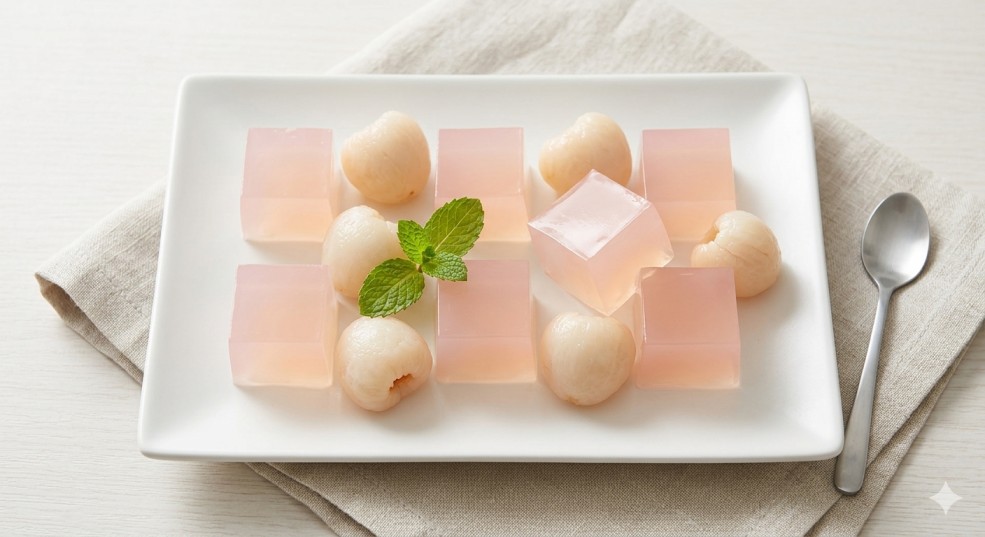
- 6–8 hours: Now we’re talking. Clean edges when you slice. That perfect wobble. The texture is consistent from top to bottom. This is when I serve it.
- 24 hours: Maximum firmness. Actually, almost too firm—starts getting that rubbery bounce. Still edible, but you’ve missed the prime window.
When You’re Desperate: Speed-Setting That Actually Works
The Ice Bath Method
Instead of adding 1 cup cold water to your dissolved gelatin, use 1 cup ice water (or fill to the line with ice cubes). Stir until the ice melts. This drops your starting temperature by thirty degrees immediately. I’ve gotten servable jello in 90 minutes this way, though it’s slightly more… athletic? Bouncier? It’s not bad, just different.
The Freezer Gambit (With Rules)
Yes, you can use the freezer, but set a timer. Twenty minutes in the freezer, then move to the fridge for another hour. Do not forget it in the freezer. I have forgotten it in the freezer. You end up with a crystallized mess that weeps when it thaws—literally pools of water on the plate. Twenty minutes. Timer. Phone alarm. Trust me.
Metal is Your Friend
Glass and ceramic look pretty, but they insulate. Pour your jello into a metal brownie pan, and you’ll cut your setting time by almost half. I keep a cheap aluminum cake pan specifically for jello emergencies. It looks terrible on the table, but I just flip it onto a platter before serving.
The Questions I Get at Dinner Parties (FAQ)
Can I fix jello that didn’t set?
Depends on why it failed. If it’s just under-chilled (you were impatient), yes—leave it longer. If you used fresh pineapple or papaya, no. Those enzymes have destroyed the protein structure; you can’t rebuild it. If you used too much alcohol, you might be able to rescue it by gently reheating (microwave in 30-second bursts until liquid) and whisking in another teaspoon of unflavored gelatin bloomed in cold water. But honestly? Sometimes you just have to start over.
Why is my jello rubbery on top and liquid underneath?
You didn’t stir enough after adding the cold water. The gelatin settled. Next time, whisk for a full two minutes. For now? You can try stirring it up and re-chilling, but the texture will be weird. I usually just serve the top layer and call it “jello mousse.”
Do sugar-free versions set faster?
Actually, yes—by about 30–45 minutes. Sugar molecules compete with the gelatin for water, so without them, the proteins bond faster. But watch out: sugar-free jello gets that “skin” on top much faster too, and it can get tough if you leave it too long.
How do I know it’s really done without ruining the surface?
The finger test: gently press the center with a clean fingertip. If it springs back immediately and doesn’t feel sticky, you’re good. If your finger leaves a dent or comes away with pink (or green, or yellow) residue, keep waiting.
Can I make jello the night before?
Please do. This is actually ideal. Jello holds perfectly for 24–48 hours covered in the fridge. After day three, it starts “weeping”—releasing water and getting that soggy bottom layer. But overnight? That’s the sweet spot.
The Layered Jello Reality Check
If you’re reading this because you want to make one of those seven-layer rainbow cakes for your kid’s birthday, let me save you some heartbreak: each layer needs 45 minutes to an hour minimum before adding the next, and the whole thing needs 4–6 hours after the final layer.
I once tried to rush a three-layer American flag jello (red, white, blue) by only waiting 30 minutes between layers. The white bled into the red, and I ended up with a pink, white, and periwinkle situation that looked like a sunset rather than a flag. Pretty, but not what I promised.
Also—and this is crucial—the next layer you pour must be room temperature, not hot. Hot liquid will melt the layer beneath it. I cool my next batch on the counter while the previous layer sets, or speed-cool it in an ice bath.
Final Thoughts from Someone Who’s Learned the Hard Way
Jello is forgiving in some ways (it’s hard to burn, it’s cheap to remake) and utterly unforgiving in others (you cannot rush chemistry, no matter how late you are for the church social).
My best advice? Start it the night before. Write yourself a note if you have to. Because while you can serve jello at the 3-hour mark, and people will politely eat it, there’s something deeply satisfying about that perfect, clean-edged cube that only time can create.
And if all else fails? Grab some whipped cream. Nothing hides jello sins quite like a mountain of Reddi-wip.