I’ll be honest—I got sucked into the TikTok rabbit hole like everyone else. There I was at 2 AM, watching people bite into those shiny, fruit-shaped candies and hearing that satisfying snap before the chewy center emerged. Naturally, I ordered a bag. Then three more. And somewhere between my sticky fingers and the sugar rush, I started wondering: what the hell am I actually eating?
Not in a paranoid “chemicals are scary” way, but genuinely curious. My kitchen experiments with homemade gummies had always ended in either rubbery disasters or puddles of goo, so how were these manufacturers creating that perfect, glassy exterior with the bouncy interior? I started reading labels, pestering a food scientist friend, and spending weekends boiling fruit syrups in my kitchen. Here’s everything I learned about what goes into jelly fruits—the good, the weird, and the “why does this need to be in there?”
The Great Jelly Fruit Divide: What We’re Actually Talking About
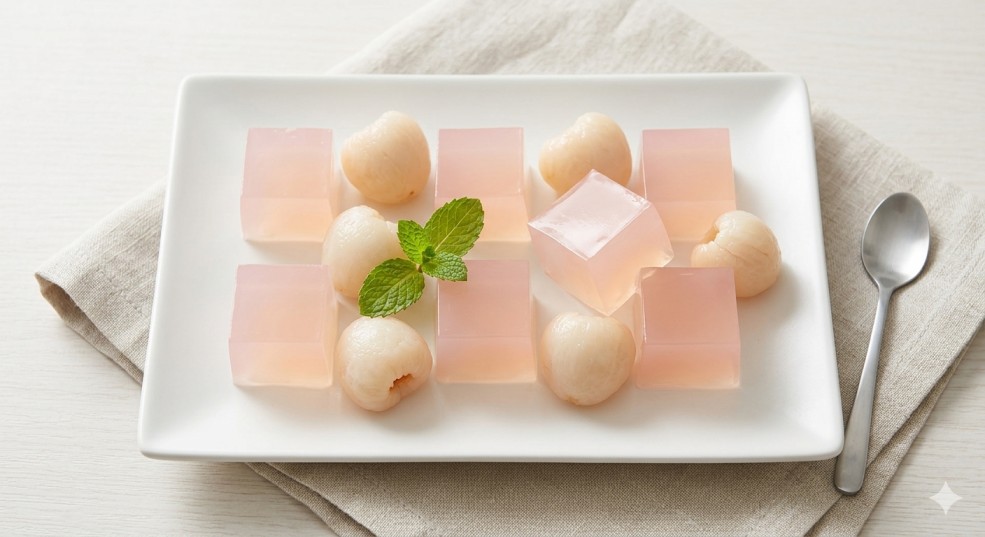
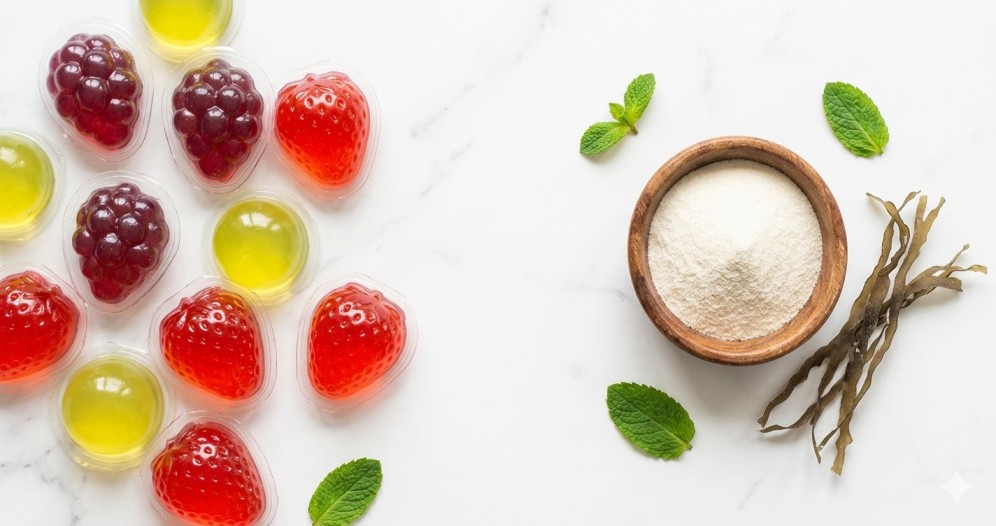
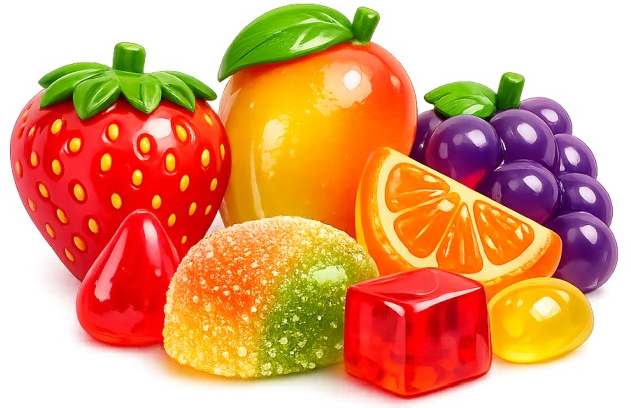
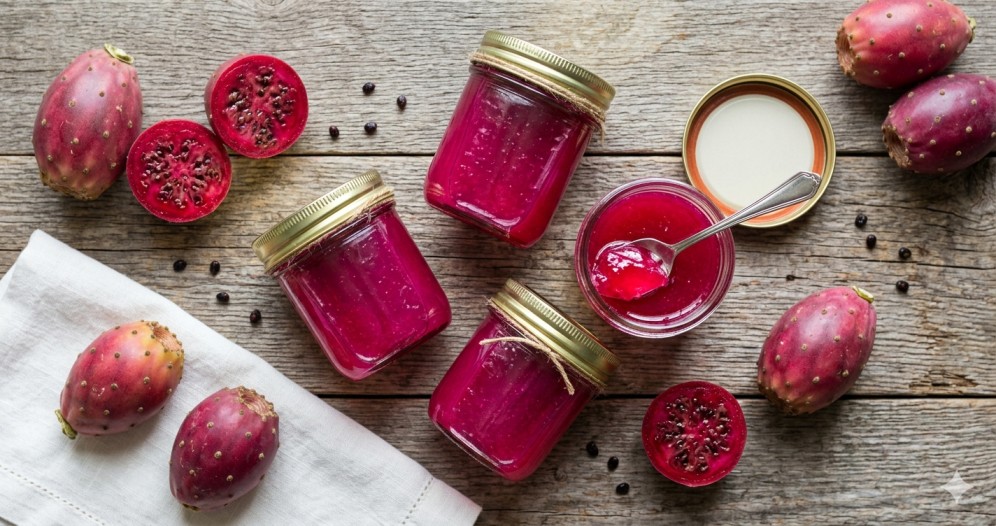
Before we dig in, we need to get on the same page because “jelly fruit” means different things to different people. When my grandmother says it, she means those fancy pâte de fruit squares from the French bakery—dense, expensive, and actually taste like strawberries. When my niece says it, she means those TikTok “Hit or Miss” candies that come in plastic strawberries and look like tiny works of art.
Both are technically jelly fruits, but they’re barely related. The fancy French ones are basically fancy jam that went to finishing school. The viral ones are closer to gummy bears wearing fruit costumes. I’ll cover both because I’ve become weirdly obsessed with both types over the past year.
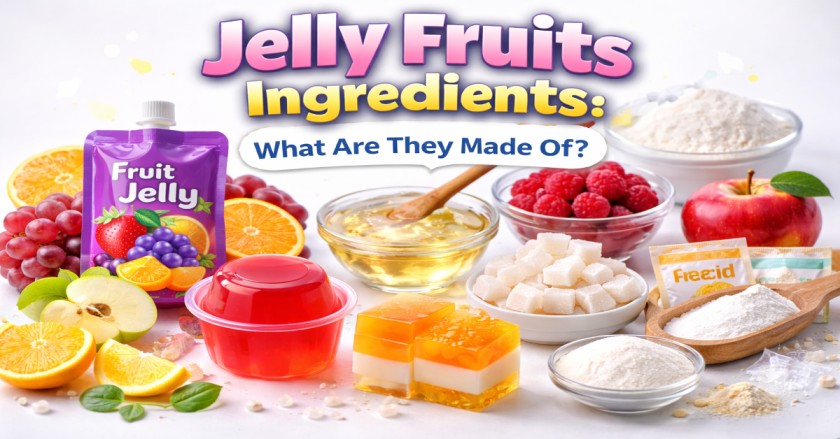
The Stuff That Makes It Jiggle (The Real MVP)
Here’s where my kitchen failures taught me the most. That texture—that specific chew that isn’t quite a gummy bear and isn’t quite Jell-O—comes from gelling agents. But not all gelling agents are created equal, and this is where ingredients get controversial.
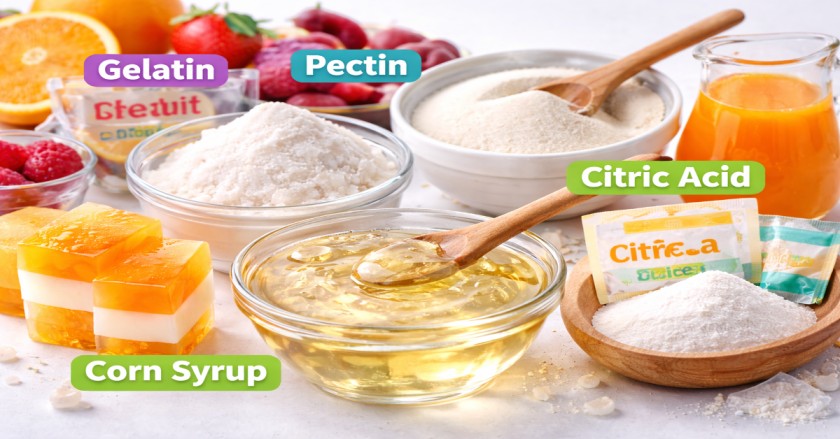
Pectin: The Plant-Based Classic
If you’re eating those expensive, sugar-dusted squares from a chocolatier, you’re probably eating pectin. It’s the same stuff your grandma uses to make jam. I tried making jelly fruits with pectin last summer, and let me tell you—it’s finicky as hell. You need the right acidity, the right sugar concentration (we’re talking candy thermometer territory), and if you mess up, you get fruit-flavored syrup instead of candy.
Pectin comes from citrus peels and apple cores, which is pretty cool when you think about it. It’s literally taking fruit scraps and turning them into structure. The texture it creates is softer, more yielding. It melts on your tongue rather than fighting back. When you see “fruit pectin” on a label, you’re usually looking at something more traditional and, honestly, more expensive to make.
Gelatin: The Chewy Truth
Most of those viral candies? They’re wearing gelatin. I remember the first time I made the connection that gelatin = collagen = animal parts. It was during a batch of homemade wine gums when my vegetarian friend walked into my kitchen and asked what smelled like “boiled bones.” Awkward conversation ensued.
Gelatin gives that rubber-band bounce. It’s why you can pull those TikTok candies and they spring back. It creates that glassy, translucent look that makes them so visually satisfying on camera. If you’re avoiding pork or beef, or if you’re vegan, this is your red flag. I’ve seen “kosher” jelly fruits that use fish gelatin instead, but that’s rare and usually pricier.
The Weird Seaweed Stuff
For the vegan versions—and yes, I tried making these too—you’re looking at agar or carrageenan. Agar is fascinating. It’s like gelatin’s rigid cousin. I made one batch with agar and dropped it on the counter; it literally bounced like a Super Ball. Too firm. Carrageenan is softer but gets this weird… slimy quality if you use too much. My vegan experiments were edible but texturally wrong. The commercial manufacturers have figured out blends and ratios that I clearly haven’t mastered yet.
Sugar: It’s Complicated
I used to think jelly fruits were just “sugar and gelatin,” but the sugar story is actually more interesting (and complicated) than that.
Yes, there’s a lot of sugar. No, that’s not the whole story.
When I tried to reduce sugar in my homemade batch, thinking I was being healthy, the texture fell apart. Here’s the thing nobody tells you: in traditional pectin-based jellies, sugar isn’t just for sweetness—it’s a structural element. It binds water and helps create that firm set. Without enough sugar, you don’t get candy; you get slightly thickened fruit sauce.
The Corn Syrup Controversy
Look at any commercial jelly fruit label, and you’ll see glucose syrup or corn syrup. I used to avoid these like the plague until I learned why they’re there. Pure sucrose (table sugar) wants to crystallize. Leave a hard candy in the humidity, and it gets grainy. Corn syrup prevents that. It keeps the texture smooth and extends shelf life.
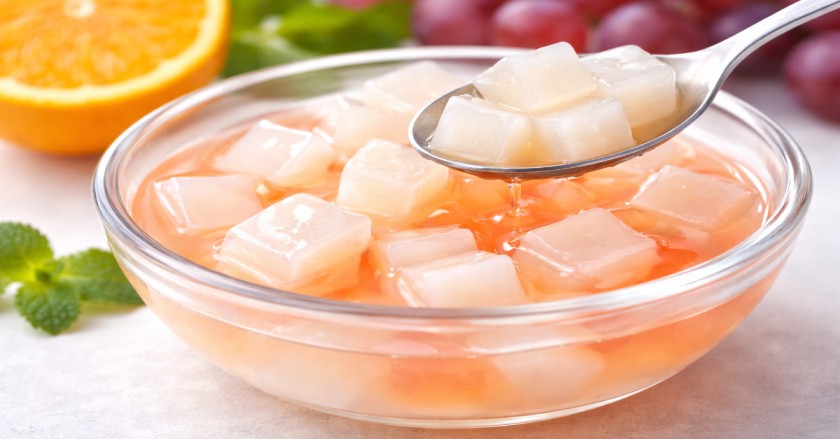
Is it necessary? For mass production, yes. For your homemade batch that you’ll eat in two days? You can skip it, but your texture might get weird after day one.
The “Natural” Sweetener Swap
I’ve been seeing more brands using tapioca syrup or brown rice syrup. These are basically corn syrup’s hipster cousins—functionally similar but marketed better. They still hit your bloodstream as glucose, so don’t let the “natural” label fool you into thinking it’s health food. I tried a batch sweetened with honey once. Delicious, but they stayed sticky forever. Never really set properly.
The Fruit Question: Real or Fake?
This is where marketing gets sneaky. “Made with real fruit!” sounds great until you realize that could mean 2% apple juice concentrate.
I’ve tasted jelly fruits that cost $2 a pound and ones that cost $30 a pound. The difference? Actual fruit content.
The cheap ones use flavor scientists. I actually spoke with a flavor chemist (fascinating job, by the way), and she explained that “natural flavors” can be incredibly complex—like, 40 different compounds to create a strawberry note—or incredibly simple. Artificial strawberry flavor might be one molecule: ethyl methylphenylglycidate. Sounds scary, but it’s just chemistry.
The expensive ones? You can taste the seeds. Literally. Real raspberry pâte de fruit has those tiny seed fragments. Real apricot versions have that deep, almost musky flavor that you can’t fake with chemicals. They use actual fruit puree—cooked down for hours until it’s thick as paste.
My Taste Test Revelation
I did a blind test with friends. The expensive fruit-heavy ones won on “flavor complexity,” but interestingly, the artificial ones won on “addictiveness.” There’s something about that perfect, punchy, consistent flavor that makes you want another one immediately. Real fruit flavor is more subtle, sometimes tart, sometimes uneven. It’s like the difference between a fresh strawberry and strawberry candy—they’re not even trying to be the same thing.
The Secret Ingredients Nobody Talks About
Flip over a package of those shiny TikTok candies, and you’ll see some weird stuff.
Acids: Not Just for Sour
Citric acid and malic acid show up even in “sweet” flavors. They’re not just for sour candy—they brighten the fruit flavors. Without acid, strawberry candy tastes like sugar mud. With it, your mouth waters. I started adding citric acid to my homemade batches, and suddenly they tasted “real” even when they weren’t.
The Wax Coating
Ever notice how commercial jelly fruits feel slightly oily? That’s carnauba wax or beeswax. It’s food-grade and keeps them from sticking together in the bag. Without it, you’d have a solid block of candy cement. I tried coating mine in sugar instead (traditional method), but in humid weather, they turned into sticky disasters. The wax makes sense now.
Colors: The Psychology of Eating
We eat with our eyes first. I made a batch of perfectly delicious lemon jelly fruits but didn’t color them. They looked like cloudy white blobs. Nobody wanted them. I added a drop of yellow food coloring, and suddenly they were “refreshing” and “bright.”
Natural colors—beet juice, turmeric, spirulina—work but fade fast. That neon red in commercial candies? It’s Red 40. Some studies suggest it affects kids’ behavior; Europe requires warning labels. I notice I feel better about eating the duller-colored natural ones, even if they don’t photograph as well for Instagram.
How They Actually Make These Things (My Factory Deep Dive)
I couldn’t get into a commercial factory (trade secrets and all), but I watched every documentary and read every patent I could find. The process is actually wild.
For the molded ones (like the TikTok strawberries), they pour hot liquid into starch molds—yes, starch, like cornstarch pressed into trays. The starch absorbs moisture and helps set the shape. Then they get flipped out, polished with wax, and packaged.
For traditional pâte de fruit, it’s more artisanal. They cook fruit puree with sugar to the “thread stage” (220°F—yes, I bought a candy thermometer), pour it into frames, let it set for days, then cut it with guitar cutters (literally strings stretched across a frame) and roll in sugar.
The difference in labor explains the price difference. One is industrial magic; the other is basically edible craftsmanship.
The Health Conversation (Without the Lecture)
Let’s be real. I eat jelly fruits. I’m not going to tell you they’re health food. But I think we need nuance here.
A standard serving (about 5-6 pieces) hits you with 20-25 grams of sugar. That’s a lot. It’s basically all the sugar you should have in a day, compressed into five minutes of chewy bliss. The glycemic spike is real—I can feel it when I eat them on an empty stomach. Crash city.
But here’s what surprised me: Gelatin isn’t empty calories. It’s protein—specifically, collagen. Now, don’t run to jelly fruits for your post-workout recovery (the sugar outweighs the benefit), but you’re not eating plastic. It’s digestible, and some people find it soothing for digestion.
The Dental Reality
My dentist friend winces when I mention jelly fruits. “Sticky and acidic,” she says. “Perfect storm.” They cling to teeth, and the pH is around 3.0—quite acidic. Her advice: eat them with a meal (saliva production is higher), drink water after, and don’t snack on them slowly throughout the day (constant acid exposure).
The Vegan Vitamin Problem
If you’re vegan and eating agar-based jellies, you’re avoiding animal products, but you’re also missing that collagen benefit and usually getting more processed starches. Trade-offs exist in every direction.
My Kitchen: The Failed Experiments and One Success
I promised you experience, so here are my war stories:
Attempt 1: The Agar Disaster
Used agar powder from the Asian market. Ratio was wrong. Created something that could have patched bicycle tires. Threw it away.
Attempt 2: The Pectin Success (Sort Of)
Followed a traditional French recipe. Used actual passionfruit puree. It set! It was delicious! It lasted exactly 48 hours before weeping syrup all over the plate. Without commercial stabilizers, homemade pectin jellies are high-maintenance divas.
Attempt 3: The Gelatin Gummies
Finally got the texture right using Knox gelatin and grape juice. They were good! Bouncy, clear, tasty. But they stuck to everything. I ended up coating them in sugar, which defeated my “lower sugar” goal.
The Verdict: Making these at home is fun for a weekend project, but the consistency and shelf-life of commercial ones require chemistry I can’t replicate without industrial ingredients. I’m at peace with that now.
What’s Next for Jelly Fruits?
I’ve been watching this space because I’m genuinely curious where it’s going.
Upcycling is Coming
Some small brands are using “ugly fruit”—the misshapen peaches and bruised berries that grocery stores reject—to make puree for jellies. I love this. It reduces waste and often tastes better because “ugly” fruit is sometimes riper and sweeter.
The Sugar Reduction Challenge
Food scientists are playing with allulose and fiber-based bulking agents to cut sugar without losing texture. I tried a “low sugar” version recently. The texture was… close. A bit too firm. But getting better.
Edible Packaging Experiments
There’s research into wrappers made of rice paper or starch that dissolve in your mouth. Imagine eating the strawberry candy AND the “plastic” stem because it’s actually candy too. We’re not there yet commercially, but it’s coming.
Real Questions People Actually Ask Me
Since I became the “jelly fruit person” in my friend group, here are the DMs I actually get:
Are the TikTok ones dangerous?
Not inherently, but use common sense. They’re big and chewy—choking hazard for kids under 5. Also, some imported ones have been flagged for artificial dyes that exceed US limits. Buy from reputable sources, chew thoroughly, maybe don’t swallow them whole for views.
Why do some taste like perfume?
That’s benzaldehyde—the artificial almond/cherry flavor. It’s polarizing. Some people love it; others think it tastes like soap. If you hate it, look for “natural cherry” or stick to citrus flavors.
Can I eat these on a diet?
You can eat anything on a diet. But 150 calories of jelly fruit will leave you hungry; 150 calories of almonds won’t. If you’re counting macros, account for the pure sugar hit. Maybe don’t eat the whole bag while watching Netflix unless that’s your planned treat.
What’s the white powder on the fancy ones?
Granulated sugar. Sometimes mixed with a bit of citric acid for that sour punch. On traditional Turkish delight, it might be powdered sugar mixed with cornstarch to prevent sticking.
Why are the Japanese ones so much better?
Japanese fruit jellies often use higher fruit content and less gelatin. They prioritize “fruit authenticity” over “chew duration.” Also, their muscat grape flavor is somehow better than actual grapes. I don’t make the rules.
Do they actually have vitamins?
Some “fruit snack” brands add vitamin C or vitamin A to seem healthier. It’s usually minimal—like 10% of your daily value. You’re better off eating an actual orange and having the jelly fruit as dessert, not nutrition.
How do I store these so they don’t get hard?
Airtight container, room temperature, throw a piece of bread in the bag (seriously, it regulates moisture). Don’t refrigerate—they’ll get sweaty and weird.
The Bottom Line (From Someone Who Eats Them Regularly)
Jelly fruits are candy. Let’s not dress it up. But they’re interesting candy with a surprisingly complex production process and a wide quality spectrum.
The cheap, shiny ones are fun. They’re engineered for maximum sensory pleasure—visual, textural, flavor. There’s no shame in enjoying food science at its most optimized.
The expensive, artisanal ones are different—more like preserved fruit than candy. They’re for slow eating with coffee, not mindless snacking.
I’ve learned to read labels not out of fear, but curiosity. Knowing that the gloss comes from carnauba wax or that the bounce comes from pork collagen lets me make informed choices aligned with my values that day.
Make them at home if you want a fun chemistry experiment. Don’t forget to share your experience in comments.