So you’ve seen the videos. People on TikTok slurping down these wiggly little cups of colorful jelly, making it look both ridiculous and weirdly satisfying. Maybe your kid brought one home from school, or you spotted them at the Asian grocery store and thought, “What the heck is that?” Whatever brought you here, you’re probably wondering how to actually eat these things without embarrassing yourself or wearing half the jelly on your shirt.
I’ve been there. The first time I tried jelly fruit, I squeezed too hard and shot strawberry jelly across my kitchen. It hit the wall. My dog tried to lick it. It was a whole thing. But after some practice (and a lot of paper towels), I figured out the technique. Here’s everything I wish someone had told me before my first attempt.
What is Jelly Fruit Anyway?
Jelly fruit is basically a snack that went viral for being weird in the best way possible. It started in China, made its way to the rest of Asia, and then exploded on social media around 2020 or so. Now you can find it in most Asian grocery stores, some mainstream supermarkets, and all over Amazon.
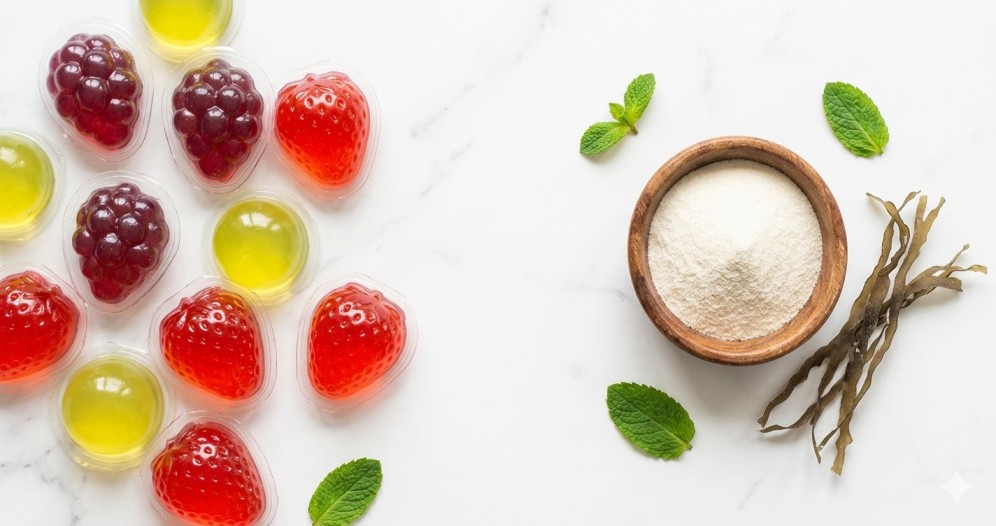
The basic setup is simple: tiny plastic cups, about the size of a shot glass, filled with fruit-flavored jelly. Not the firm Jell-O your grandma makes for holidays. This stuff is different – it’s bouncy, almost liquid in the center, with a slightly firmer outer skin. When you bite into it or squeeze the cup, the whole thing kind of… bursts. That’s the appeal. It’s messy, it’s dramatic, and it makes a sound that people apparently love to record.
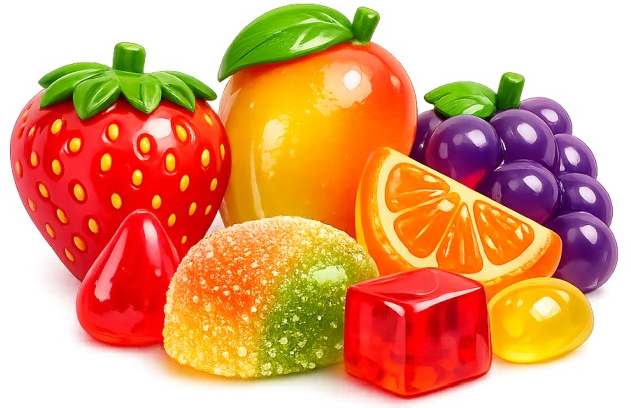
Most brands pack them in big bags with assorted flavors – strawberry, mango, grape, lychee, sometimes passion fruit or apple. The brand everyone knows is Din Don Foods, though there are tons of knockoffs and variations now. Some have bits of real fruit floating in them. Some are more solid, some are basically juice held together by hope and konjac powder.
The texture is the whole point. If you’re expecting something you can politely eat with a spoon at a dinner party, adjust your expectations. This is finger food that demands commitment.
Actually Eating the Thing – A Step-by-Step Breakdown
Alright, let’s get into how to eat jelly fruit without the mess I made on my first try.
Pick your flavor wisely. If you’re new to this, go with strawberry or mango. They’re the most forgiving – sweet, familiar, and not too weird. Grape can be polarizing (some people love it, some say it tastes like medicine), and lychee has that floral thing going on that not everyone digs. Start safe.
Check the temperature. Room temperature jelly fruit is… fine. But slightly chilled? That’s where it’s at. Stick them in the fridge for an hour before you eat. Not the freezer – we’ll talk about freezing later – just the fridge. The cold firms up the jelly just enough that it holds together better when you squeeze, but it’s still soft enough to slurp.
Get your grip right. Hold the cup in your dominant hand, obviously, but don’t death-grip it. These cups are thin plastic and they deform easily. You want to hold it firmly enough that it won’t slip, but gently enough that you’re not already squeezing jelly out before you’re ready.
Position yourself. This sounds ridiculous, but angle matters. Tilt your head back slightly. Not all the way back like you’re taking a shot – just enough that gravity will help you out. Position the cup’s opening above your mouth, not in front of it. Trust me on this.
The squeeze. Here’s where people mess up. You don’t want to crush the cup instantly. Start with gentle pressure and gradually increase. The jelly should flow out in a controlled stream. If you’re doing it right, you’ll get that signature slurp sound without wearing any of it.
Alternative for beginners: If the full slurp feels too aggressive, just bite the top off and eat it in chunks. Pierce the surface with your teeth, let some jelly into your mouth, chew, swallow, repeat. It’s less dramatic but way more dignified. You do you.
The frozen option: Some people swear by freezing these for 2-3 hours. You get something between a popsicle and a slushie. The texture changes completely – more icy, less jiggly. It’s refreshing on hot days, but it’s a different experience entirely. Your call.
Opening the Cup Without Losing Your Mind
The packaging is simple – thin plastic cup, heat-sealed plastic film on top – but it’s surprisingly annoying if you don’t know the trick.
Every cup has a small tab on the rim. It’s tiny, it’s sometimes hard to see, and if you just start pulling at random spots, you’ll tear the plastic and create a situation. Find the tab first. Feel around the edge until you locate it. It’s usually raised slightly, designed to give you something to grip.
Once you’ve got the tab, pull up and away from the cup. Not straight up – away from the cup, at an angle. The seal should peel back relatively cleanly. If it tears or the tab rips off, grab scissors. Seriously, just cut along the edge. Don’t try to be a hero and power through with your fingers. I’ve seen people try to bite these open. Don’t be that person.
Warm environments make the plastic softer and easier to peel, but they also make the jelly more liquid and prone to splashing. Cold cups have stiffer plastic but more manageable contents. Pick your battle.
Keep scissors in your kitchen specifically for this. It’s not cheating, it’s being prepared. Some packaging is just stubborn, and there’s no shame in bringing tools to the job.
Is This Stuff Actually Safe?
Short answer: yeah, for most people. Longer answer: there are some things to think about.
The ingredients are pretty standard – water, sugar, flavoring, gelling agents like carrageenan or konjac. Nothing exotic or scary. Food safety regulations apply wherever these are manufactured. You’re not eating some underground mystery substance.
But the texture is genuinely a choking hazard for little kids. Under age 3, maybe under age 5 depending on the kid, this stuff is risky. It’s slippery, it’s the perfect size to block an airway, and it’s exactly the kind of thing a toddler would try to swallow whole because it looks fun. If you have young children, either keep these away from them or supervise extremely closely. Cut them into tiny pieces if you do let them try it.
For older kids and adults, the main safety concern is just… not choking because you got overexcited and tried to inhale the whole cup at once. Chew your food, people. Even if that food is wiggly sugar jelly.
Sugar content is real. These aren’t health food. Each cup has maybe 10-15 grams of sugar, which adds up fast if you’re pounding through a whole bag. If you’re diabetic or watching your sugar, check the label and portion carefully. Some brands make sugar-free versions, though they’re harder to find and the texture is sometimes slightly different.
The packaging itself is a hazard if you’ve got pets or very small children who might try to eat plastic. Dispose of cups and seals properly. Don’t leave them where a curious dog or baby can get to them.
Why Bother? The Actual Benefits
Okay, so jelly fruit isn’t going to replace your vegetables. But it’s not completely without merits either.
Portion control is built in. One cup is one serving. You can’t mindlessly eat half a bag while watching TV unless you physically open half a bag of individual cups. That little bit of effort between servings actually helps. Compare that to a family-size bag of chips that somehow disappears during one episode of whatever you’re streaming.
They’re convenient as hell. No fridge needed for storage (though chilling before eating is nice), no prep, no mess if you do it right, portable as anything. Throw them in a lunchbox, keep them in your desk, take them camping. They don’t melt, they don’t crush easily, they don’t make crumbs.
There’s a social aspect that sounds silly but is actually real. Jelly fruit challenges are a thing people do together. Friends trying to see who can eat them fastest, couples attempting synchronized slurps, families laughing as someone inevitably gets jelly on their nose. In a world where so much social interaction happens through screens, there’s something genuinely nice about a snack that demands to be experienced in person, that you can’t really fully enjoy through a video.
Some versions have actual fruit juice or bits, so you’re getting trace amounts of actual fruit content. Emphasis on “trace” – don’t pretend this counts as your daily produce. But it’s something.
And honestly? The joy factor matters. Food doesn’t have to be nutritious to be worthwhile. Sometimes you just want something fun, something that makes you laugh, something that reminds you not to take everything so seriously. Jelly fruit delivers on that.
Staying Safe While You Slurp
A few practical tips to keep your jelly fruit experience positive:
Always check expiration dates. These last a while, but not forever. If a cup is bulging, leaking, or smells off when you open it, toss it. Trust your senses.
Wash your hands first. You’re going to be handling this thing that you’re putting in your mouth, and the packaging has been through shipping, stocking, maybe sitting in a warehouse. Basic hygiene.
Be aware of your surroundings. Don’t eat these over your laptop, your phone, your nice white couch, or anywhere you can’t afford to get sticky. Outside, over a plate, in the kitchen, or standing over the sink are all smart choices. I’ve learned this the hard way so you don’t have to.
If you’re sharing a bag with others, maybe don’t double-dip your fingers into the bag after you’ve started eating. Or at least be the only one eating from that bag. Use common sense about germs.
Read labels if you have allergies or dietary restrictions. Most use plant-based gelling agents now, but some still use gelatin. Some have coconut. Some have weird artificial colors that certain people react to. The information is there – use it.
Mistakes Everyone Makes (So You Don’t Have To)
I’ve watched a lot of people eat jelly fruit. I’ve made a lot of mistakes myself. Here’s what goes wrong most often:
Squeezing like you’re trying to win a strength contest. The jelly shoots out everywhere except your mouth. You hit yourself in the eye. You stain your shirt. Your dignity suffers. Gentle pressure, gradual increase. Think slow toothpaste, not ketchup bottle.
Wrong angle. Holding the cup level with your mouth or pointing it forward instead of down. The jelly goes sideways. Sideways is bad. Aim down, let gravity help.
Opening in a rush. Tearing at the seal without finding the tab first. The plastic shreds, the jelly escapes, you’re frustrated before you even start eating. Slow down. Find the tab. Ten seconds of patience saves five minutes of cleanup.
Temperature extremes. Leaving them in a hot car so they become pure liquid, or freezing them solid and trying to eat immediately. Both ruin the experience. Moderate chill is the sweet spot.
Trying to look cool before you’re ready. Watching viral videos and attempting advanced techniques on your first try. Start basic. Work up to the flashy stuff. No one looks cool with jelly on their chin.
Forgetting to chew. The texture is weird and some people instinctively try to swallow it like a liquid. It’s not a liquid. It’s a solid that acts like a liquid. Chew it. Please.
Quick Questions People Always Ask
Can I eat these every day?
You can, but probably shouldn’t. The sugar adds up. Treat them like candy, not a food group.
Why do they make that sound?
The combination of the jelly’s consistency, the air in the cup, and the suction created when you slurp creates that distinctive noise. It’s physics, but funny physics.
Are they vegan?
Most modern ones are, using konjac or carrageenan instead of gelatin. But check the label – some brands still use animal products.
Can I bring these on a plane?
Yeah, they’re solid enough for TSA. Though maybe don’t try to eat one during turbulence. That seems like asking for trouble.
Do they actually taste good, or is it just the texture?
Honestly? They’re fine. Sweet, fruity, not sophisticated. The texture is 80% of the appeal. If you hate the texture, you won’t like them no matter what flavor you pick.
Why are they so popular with kids?
They’re colorful, they’re sweet, they’re fun to eat, and they feel slightly rebellious because of the mess factor. Plus the viral video aspect makes kids feel in-the-know.
Wrapping This Up
Jelly fruit is one of those things that sounds ridiculous when you try to explain it. “So it’s jelly… in a tiny cup… and you squeeze it into your mouth and it makes a noise.” Yeah. That’s it. That’s the whole thing.
But sometimes ridiculous is exactly what we need. A snack that demands your attention, that you can’t eat while scrolling through your phone, that makes you laugh when you mess it up and celebrate when you get it right. There’s value in that.
Start with the basics. Find your technique. Don’t worry about looking cool. And maybe keep some paper towels nearby, just in case. We’ve all been beginners. The wall I hit with my first jelly fruit has long since been cleaned, and now I can slurp with the best of them. You’ll get there too.
Happy slurping. Try not to get it in your hair.